FAA-H-8083-25C · Source PDF page 58
Aeronautical Decision-Making
TEAM Checklist: Choose and Implement Risk · PHAK page 2-19
Searchable transcription
was receiving a checkride from the ATP (who was also a engine failure by reducing power on the right engine to zero
designated examiner) for a commercial pilot certificate with thrust. This caused the aircraft to yaw right.
a multi-engine rating. After performing airwork at altitude,
they returned to the airport and the private pilot performed a The procedure to identify the failed engine is a two-step
single-engine approach to a full stop landing. He then taxied process. First, adjust the power to the maximum controllable
back for takeoff, performed a short field takeoff, and then level on both engines. Because the left engine is the only
joined the traffic pattern to return for another landing. During engine delivering thrust, the yaw increases to the right, which
the approach for the second landing, the ATP simulated a right necessitates application of additional left rudder application.
Aeronautical Decision-Making
A. Analytical B. Automatic/Naturalistic
Situation
Pilot Aircraft Enviroment External factors
Pilot Aircraft Enviroment External factors
Detection Detection
Evaluation of event
Evaluation of event
• Risk or hazard
• Potential outcomes
• Capabilities of pilot
• Aircraft capabilities
• Outside factors • Risk to flight
• Pilot training
• Pilot experience
Outcome desired
Outcome desired
Solutions to get you there
Solution 1
Solution 2
Solution 3
Solution 4
Take action
What is best action to do
Effect of decision
Successful
Problem remains
Done
The DECIDE model
1.
2.
3.
4
5.
6.
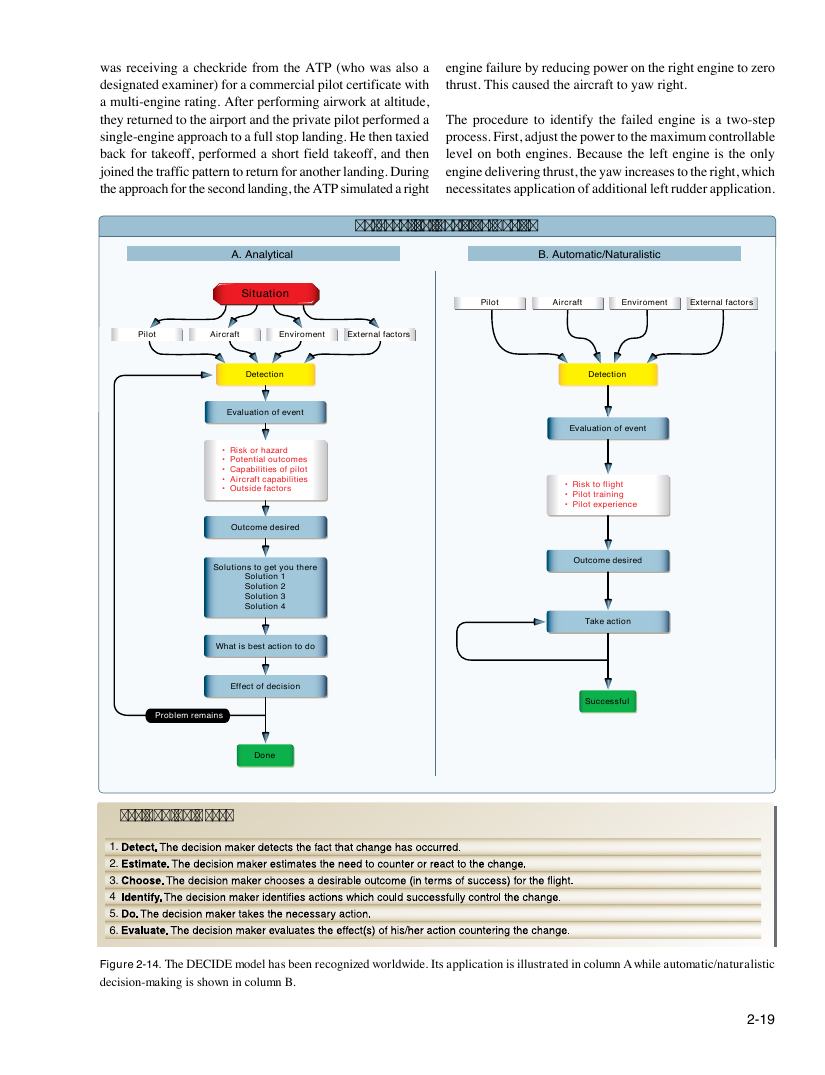
Figure 2-14. The DECIDE model has been recognized worldwide. Its application is illustrated in column A while automatic/naturalistic
decision-making is shown in column B.
2-19