FAA-H-8083-25C · Source PDF page 140
Aerodynamics of Flight
120 knots · PHAK page 5-43
Searchable transcription
of the CG. The stability of many certificated aircraft is permissible gross weight. Important among these effects
completely unsatisfactory if the gross weight is exceeded. are changes in controllability, stability, and the actual load
imposed on the wing.
Effect of Load Distribution
The effect of the position of the CG on the load imposed Generally, an aircraft becomes less controllable, especially
on an aircraft’s wing in flight is significant to climb and at slow flight speeds, as the CG is moved further aft. An
cruising performance. An aircraft with forward loading is aircraft that cleanly recovers from a prolonged spin with
“heavier” and consequently, slower than the same aircraft the CG at one position may fail completely to respond to
with the CG further aft. normal recovery attempts when the CG is moved aft by one
or two inches.
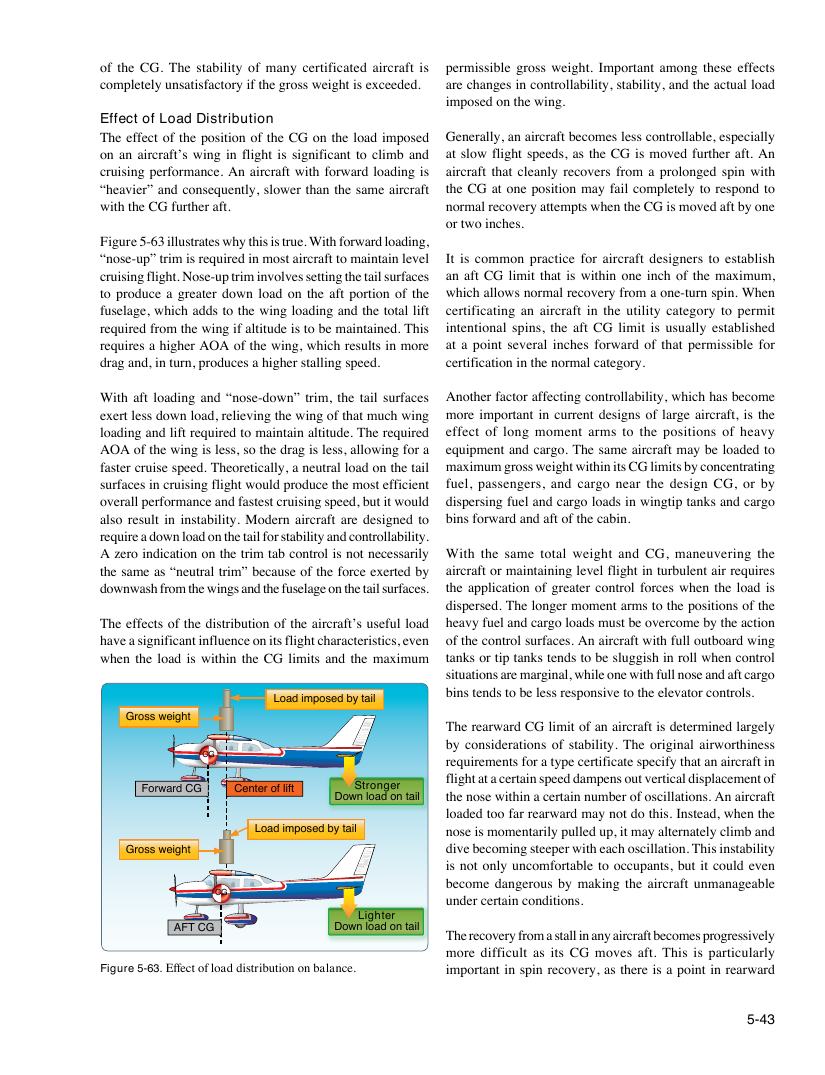
Figure 5-63 illustrates why this is true. With forward loading,
“nose-up” trim is required in most aircraft to maintain level It is common practice for aircraft designers to establish
cruising flight. Nose-up trim involves setting the tail surfaces an aft CG limit that is within one inch of the maximum,
to produce a greater down load on the aft portion of the which allows normal recovery from a one-turn spin. When
fuselage, which adds to the wing loading and the total lift certificating an aircraft in the utility category to permit
required from the wing if altitude is to be maintained. This intentional spins, the aft CG limit is usually established
requires a higher AOA of the wing, which results in more at a point several inches forward of that permissible for
drag and, in turn, produces a higher stalling speed. certification in the normal category.
With aft loading and “nose-down” trim, the tail surfaces Another factor affecting controllability, which has become
exert less down load, relieving the wing of that much wing more important in current designs of large aircraft, is the
loading and lift required to maintain altitude. The required effect of long moment arms to the positions of heavy
AOA of the wing is less, so the drag is less, allowing for a equipment and cargo. The same aircraft may be loaded to
faster cruise speed. Theoretically, a neutral load on the tail maximum gross weight within its CG limits by concentrating
surfaces in cruising flight would produce the most efficient fuel, passengers, and cargo near the design CG, or by
overall performance and fastest cruising speed, but it would dispersing fuel and cargo loads in wingtip tanks and cargo
also result in instability. Modern aircraft are designed to bins forward and aft of the cabin.
require a down load on the tail for stability and controllability.
A zero indication on the trim tab control is not necessarily With the same total weight and CG, maneuvering the
the same as “neutral trim” because of the force exerted by aircraft or maintaining level flight in turbulent air requires
downwash from the wings and the fuselage on the tail surfaces. the application of greater control forces when the load is
dispersed. The longer moment arms to the positions of the
The effects of the distribution of the aircraft’s useful load heavy fuel and cargo loads must be overcome by the action
have a significant influence on its flight characteristics, even of the control surfaces. An aircraft with full outboard wing
when the load is within the CG limits and the maximum tanks or tip tanks tends to be sluggish in roll when control
situations are marginal, while one with full nose and aft cargo
bins tends to be less responsive to the elevator controls.
Load imposed by tail
Gross weight
The rearward CG limit of an aircraft is determined largely
by considerations of stability. The original airworthiness
CG
requirements for a type certificate specify that an aircraft in
flight at a certain speed dampens out vertical displacement of
Forward CG Center of lift Stronger
Down load on tail the nose within a certain number of oscillations. An aircraft
loaded too far rearward may not do this. Instead, when the
Load imposed by tail nose is momentarily pulled up, it may alternately climb and
Gross weight dive becoming steeper with each oscillation. This instability
is not only uncomfortable to occupants, but it could even
become dangerous by making the aircraft unmanageable
CG
under certain conditions.
Lighter
AFT CG Down load on tail
The recovery from a stall in any aircraft becomes progressively
more difficult as its CG moves aft. This is particularly
Figure 5-63. Effect of load distribution on balance. important in spin recovery, as there is a point in rearward
5-43