FAA-H-8083-25C · Source PDF page 159
Flight Controls
Antiservo Tabs · PHAK page 6-11
Searchable transcription
helps to move the entire flight control surface in the direction
Nose-down trim
that the pilot wishes it to go. A servo tab is a dynamic device
that deploys to decrease the pilots work load and de-stabilize
Elevator
the aircraft. Servo tabs are sometimes referred to as flight tabs
Trim tab and are used primarily on large aircraft. They aid the pilot in
moving the control surface and in holding it in the desired
position. Only the servo tab moves in response to movement
of the pilot’s flight control, and the force of the airflow on
the servo tab then moves the primary control surface.
Tab up—elevator down
Antiservo Tabs
Nose-up trim Antiservo tabs work in the same manner as balance tabs
except, instead of moving in the opposite direction, they move
Elevator in the same direction as the trailing edge of the stabilator.
In addition to decreasing the sensitivity of the stabilator, an
Trim tab
antiservo tab also functions as a trim device to relieve control
pressure and maintain the stabilator in the desired position.
The fixed end of the linkage is on the opposite side of the
surface from the horn on the tab; when the trailing edge of the
stabilator moves up, the linkage forces the trailing edge of the
tab up. When the stabilator moves down, the tab also moves
Tab up—elevator up
down. Conversely, trim tabs on elevators move opposite of
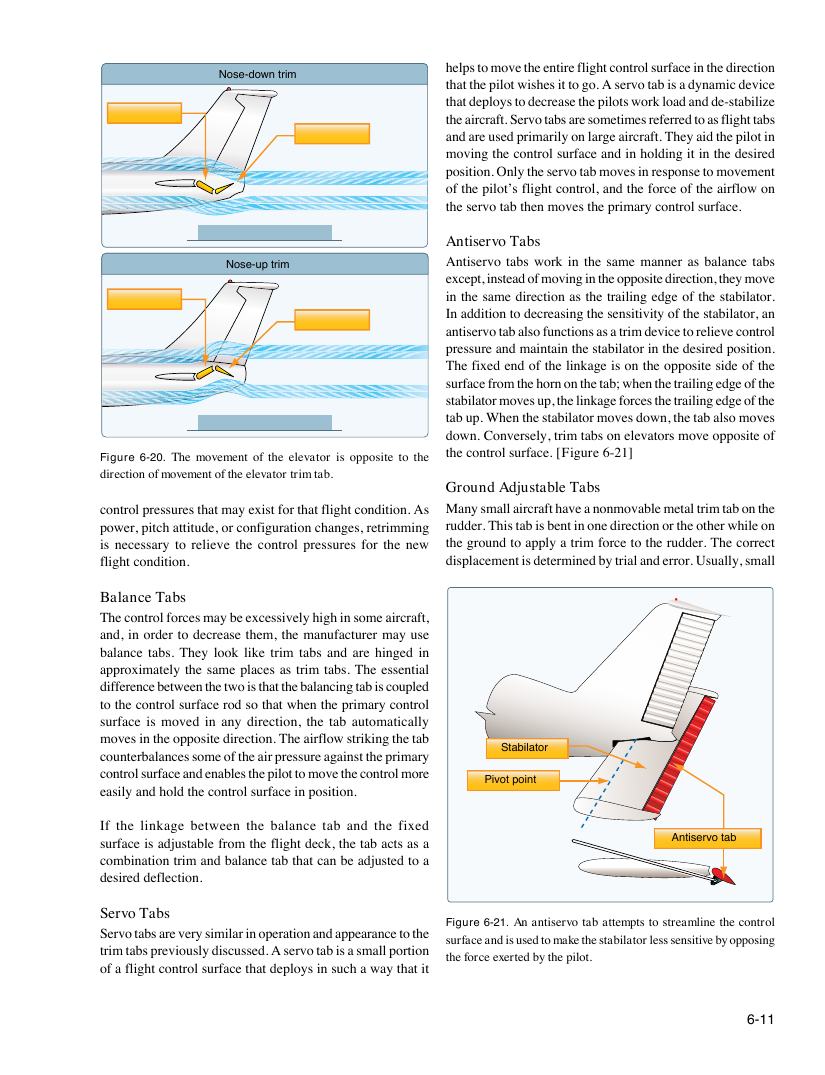
Figure 6-20. The movement of the elevator is opposite to the
the control surface. [Figure 6-21]
dFiriegcutiroen 5 o-1f 6m.o Tvheme menot voefm theen te loefv tahteo re ltervimat otar bis. opposite to the
direction of movement of the elevator trim tab. Ground Adjustable Tabs
control pressures that may exist for that flight condition. As Many small aircraft have a nonmovable metal trim tab on the
power, pitch attitude, or configuration changes, retrimming rudder. This tab is bent in one direction or the other while on
is necessary to relieve the control pressures for the new the ground to apply a trim force to the rudder. The correct
flight condition. displacement is determined by trial and error. Usually, small
Balance Tabs
The control forces may be excessively high in some aircraft,
and, in order to decrease them, the manufacturer may use
balance tabs. They look like trim tabs and are hinged in
approximately the same places as trim tabs. The essential
difference between the two is that the balancing tab is coupled
to the control surface rod so that when the primary control
surface is moved in any direction, the tab automatically
moves in the opposite direction. The airflow striking the tab
Stabilator
counterbalances some of the air pressure against the primary
control surface and enables the pilot to move the control more
Pivot point
easily and hold the control surface in position.
If the linkage between the balance tab and the fixed
surface is adjustable from the flight deck, the tab acts as a Antiservo tab
combination trim and balance tab that can be adjusted to a
desired deflection.
Servo Tabs
Figure 6-21. An antiservo tab attempts to streamline the control
Servo tabs are very similar in operation and appearance to the
surface and is used to make the stabilator less sensitive by opposing
trim tabs previously discussed. A servo tab is a small portion
the force exerted by the pilot.
of a flight control surface that deploys in such a way that it
6-11