FAA-H-8083-25C · Source PDF page 441
Aeromedical Factors
Vision in Flight · PHAK page 17-19
Searchable transcription
DCS Type Bubble Location Signs and Symptoms (Clinical Manifestations)
BENDS Mostly large joints • Localized deep pain, ranging from mild (a “niggle”) to excruciating–sometimes a dull
of the body (elbows, ache, but rarely a sharp pain
shoulders, hip, wrists, • Active and passive motion of the joint aggravating the pain
knees, ankles) • Pain occurring at altitude, during the descent, or many hours later
NEUROLOGIC Brain • Confusion or memory loss
Manifestations • Headache
• Spots in visual field (scotoma), tunnel vision, double vision (diplopia), or blurry vision
• Unexplained extreme fatigue or behavior changes
• Seizures, dizziness, vertigo, nausea, vomiting, and unconsciousness
Spinal cord • Abnormal sensations, such as burning, stinging, and tingling, around the lower chest
and back
• Symptoms spreading from the feet up and possibly accompanied by ascending
weakness or paralysis
• Girdling abdominal or chest pain
Peripheral nerves • Urinary and rectal incontinence
• Abnormal sensations, such as numbness, burning, stinging and tingling (paresthesia)
• Muscle weakness or twitching
CHOKES Lungs • Burning deep chest pain (under the sternum)
• Pain aggravated by breathing
• Shortness of breath (dyspnea)
• Dry constant cough
SKIN BENDS Skin • Itching usually around the ears, face, neck, arms, and upper torso
• Sensation of tiny insects crawling over the skin
• Mottled or marbled skin usually around the shoulders, upper chest, and abdomen
accompanied by itching
• Swelling of the skin, accompanied by tiny scar-like skin depressions (pitting edema)
Figure 17-10. Signs and symptoms of altitude decompression sickness.
evolved gas can occur during exposure to low altitude and The eye functions much like a camera. Its structure includes
create a serious inflight emergency. an aperture, a lens, a mechanism for focusing, and a surface
for registering images. Light enters through the cornea at the
The recommended waiting time before going to flight front of the eyeball, travels through the lens, and falls on the
altitudes of up to 8,000 feet is at least 12 hours after diving retina. The retina contains light sensitive cells that convert
that does not require controlled ascent (nondecompression
stop diving), and at least 24 hours after diving that does
require controlled ascent (decompression stop diving). The
waiting time before going to flight altitudes above 8,000
feet should be at least 24 hours after any scuba dive. These
recommended altitudes are actual flight altitudes above
mean sea level (MSL) and not pressurized cabin altitudes.
This takes into consideration the risk of decompression of
the aircraft during flight.
Vision in Flight
Of all the senses, vision is the most important for safe flight.
Most of the things perceived while flying are visual or heavily
supplemented by vision. As remarkable and vital as it is,
vision is subject to limitations, such as illusions and blind
spots. The more a pilot understands about the eyes and how
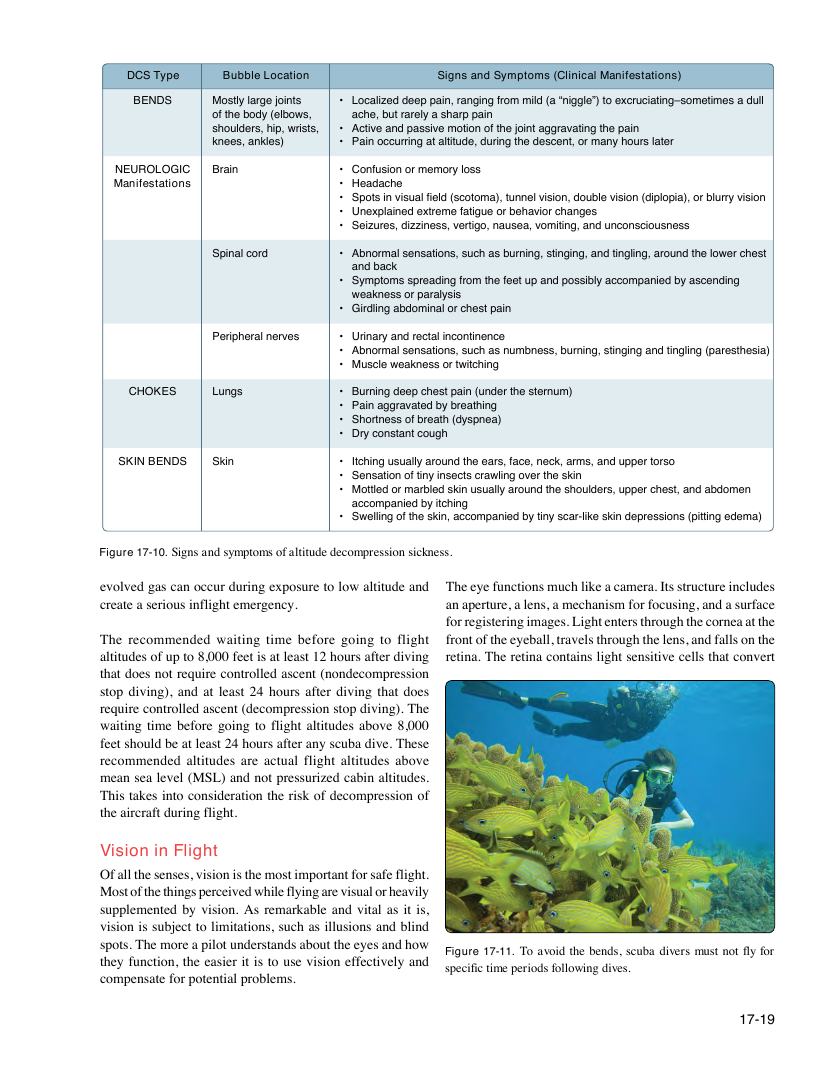
Figure 17-11. To avoid the bends, scuba divers must not fly for
they function, the easier it is to use vision effectively and
specific time periods following dives.
compensate for potential problems.
17-19