FAA-H-8083-25C · Source PDF page 68
Aeronautical Decision-Making
Respect for Onboard Systems · PHAK page 2-29
Searchable transcription
The following are two simple rules for use of an EFD:
• Be able to fly the aircraft to the standards in the PTS.
Although this may seem insignificant, knowing how to
fly the aircraft to a standard makes a pilot’s airmanship
smoother and allows him or her more time to attend
to the system instead of managing multiple tasks.
• Read and understand the installed electronic flight
systems manuals to include the use of the autopilot
and the other onboard electronic management tools.
Managing Aircraft Automation
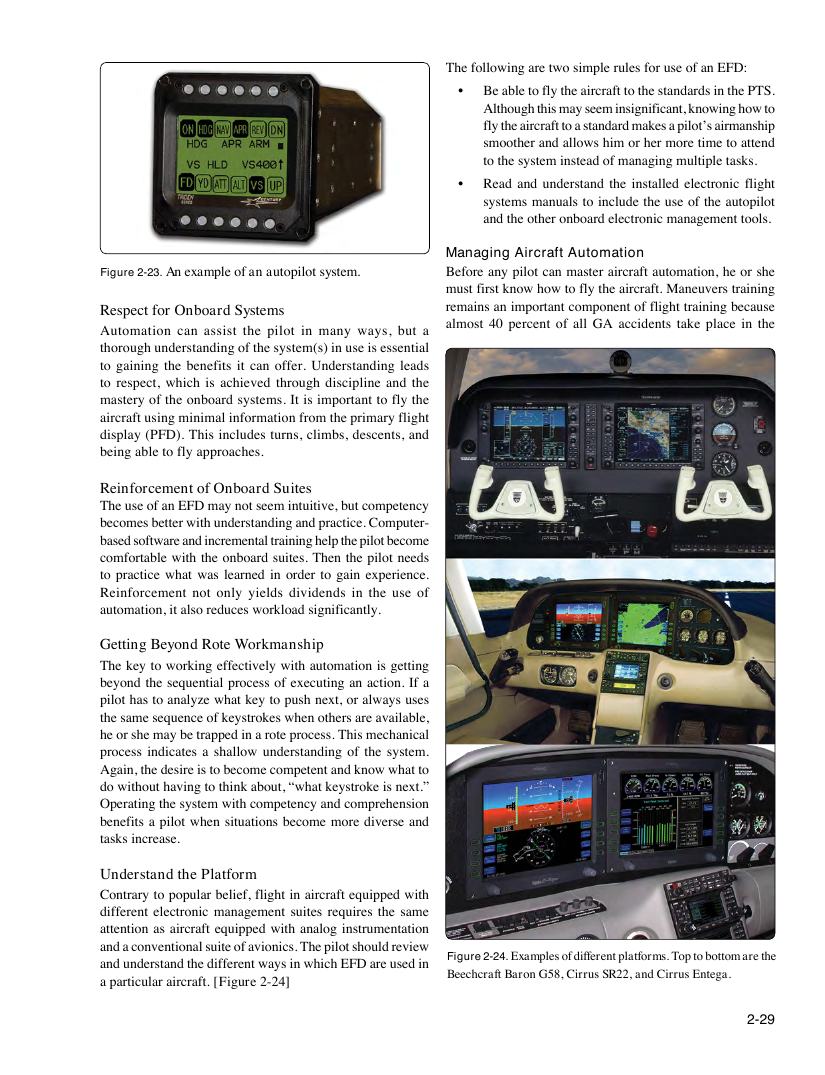
Figure 2-23. An example of an autopilot system. Before any pilot can master aircraft automation, he or she
must first know how to fly the aircraft. Maneuvers training
Respect for Onboard Systems remains an important component of flight training because
almost 40 percent of all GA accidents take place in the
Automation can assist the pilot in many ways, but a
thorough understanding of the system(s) in use is essential
to gaining the benefits it can offer. Understanding leads
to respect, which is achieved through discipline and the
mastery of the onboard systems. It is important to fly the
aircraft using minimal information from the primary flight
display (PFD). This includes turns, climbs, descents, and
being able to fly approaches.
Reinforcement of Onboard Suites
The use of an EFD may not seem intuitive, but competency
becomes better with understanding and practice. Computer-
based software and incremental training help the pilot become
comfortable with the onboard suites. Then the pilot needs
to practice what was learned in order to gain experience.
Reinforcement not only yields dividends in the use of
automation, it also reduces workload significantly.
Getting Beyond Rote Workmanship
The key to working effectively with automation is getting
beyond the sequential process of executing an action. If a
pilot has to analyze what key to push next, or always uses
the same sequence of keystrokes when others are available,
he or she may be trapped in a rote process. This mechanical
process indicates a shallow understanding of the system.
Again, the desire is to become competent and know what to
do without having to think about, “what keystroke is next.”
Operating the system with competency and comprehension
benefits a pilot when situations become more diverse and
tasks increase.
Understand the Platform
Contrary to popular belief, flight in aircraft equipped with
different electronic management suites requires the same
attention as aircraft equipped with analog instrumentation
and a conventional suite of avionics. The pilot should review
Figure 2-24. Examples of different platforms. Top to bottom are the
and understand the different ways in which EFD are used in
Beechcraft Baron G58, Cirrus SR22, and Cirrus Entega.
a particular aircraft. [Figure 2-24]
2-29