FAA-H-8083-25C · Source PDF page 42
Aeronautical Decision-Making
Risk Management · PHAK page 2-3
Searchable transcription
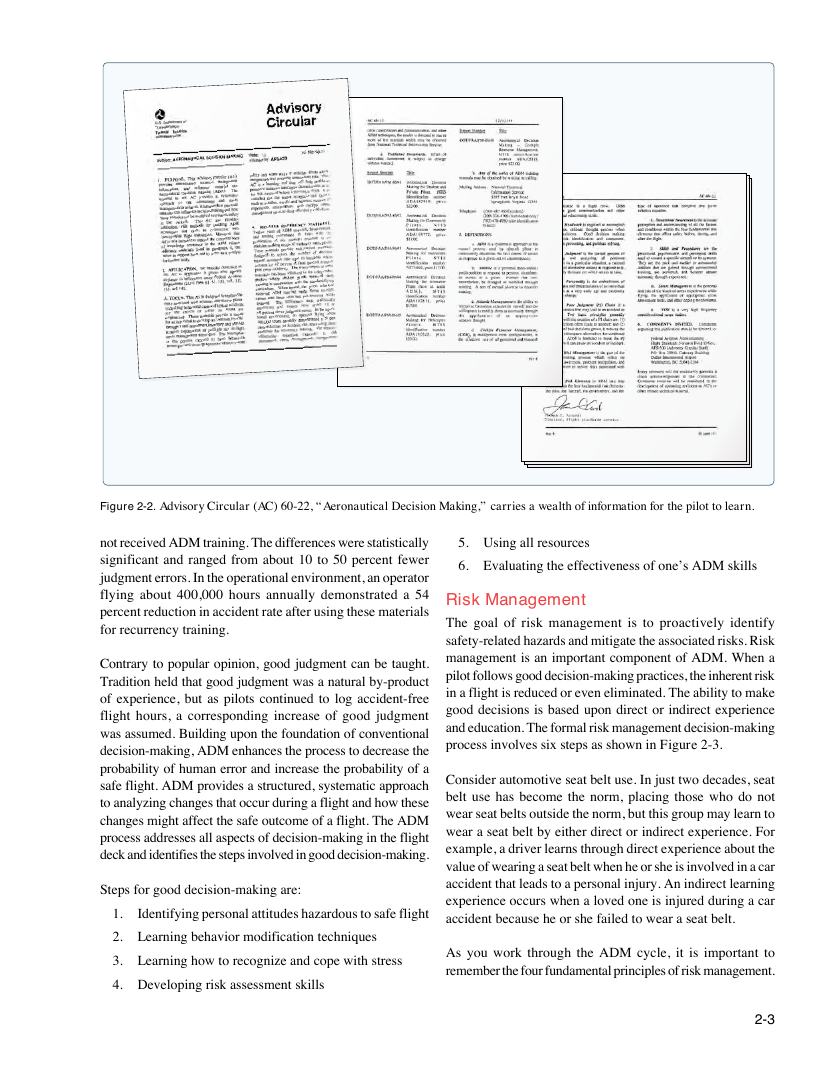
Figure 2-2. Advisory Circular (AC) 60-22, “Aeronautical Decision Making,” carries a wealth of information for the pilot to learn.
not received ADM training. The differences were statistically 5. Using all resources
significant and ranged from about 10 to 50 percent fewer
6. Evaluating the effectiveness of one’s ADM skills
judgment errors. In the operational environment, an operator
flying about 400,000 hours annually demonstrated a 54
Risk Management
percent reduction in accident rate after using these materials
The goal of risk management is to proactively identify
for recurrency training.
safety-related hazards and mitigate the associated risks. Risk
management is an important component of ADM. When a
Contrary to popular opinion, good judgment can be taught.
pilot follows good decision-making practices, the inherent risk
Tradition held that good judgment was a natural by-product
in a flight is reduced or even eliminated. The ability to make
of experience, but as pilots continued to log accident-free
good decisions is based upon direct or indirect experience
flight hours, a corresponding increase of good judgment
and education. The formal risk management decision-making
was assumed. Building upon the foundation of conventional
process involves six steps as shown in Figure 2-3.
decision-making, ADM enhances the process to decrease the
probability of human error and increase the probability of a
Consider automotive seat belt use. In just two decades, seat
safe flight. ADM provides a structured, systematic approach
belt use has become the norm, placing those who do not
to analyzing changes that occur during a flight and how these
wear seat belts outside the norm, but this group may learn to
changes might affect the safe outcome of a flight. The ADM
wear a seat belt by either direct or indirect experience. For
process addresses all aspects of decision-making in the flight
example, a driver learns through direct experience about the
deck and identifies the steps involved in good decision-making.
value of wearing a seat belt when he or she is involved in a car
accident that leads to a personal injury. An indirect learning
Steps for good decision-making are:
experience occurs when a loved one is injured during a car
1. Identifying personal attitudes hazardous to safe flight
accident because he or she failed to wear a seat belt.
2. Learning behavior modification techniques
As you work through the ADM cycle, it is important to
3. Learning how to recognize and cope with stress
remember the four fundamental principles of risk management.
4. Developing risk assessment skills
2-3