FAA-H-8083-25C · Source PDF page 138
Aerodynamics of Flight
120 knots · PHAK page 5-41
Searchable transcription
5 , 0 0 0 f e e t
2
I0
0
I 0
20
20 I 0
I
2
0
0
STBY PWR TEST
4,430 feet
2,215 feet
5 , 0 0 0 f e e t
120 knots
V2 1202 14,400
R = R = = = 2,215 feet
11.26 x tangent of the bank angle 30° 11.26 x 0.5773 6.50096
140 knots
2
I0
0
I 0
20
20 I 0
I
2
0
0
STBY PWR TEST
6,028 feet
3,014 feet
V2 1402 19,600
R = R = = = 3,014 feet
11.26 x tangent of the bank angle 30° 11.26 x 0.5773 6.50096
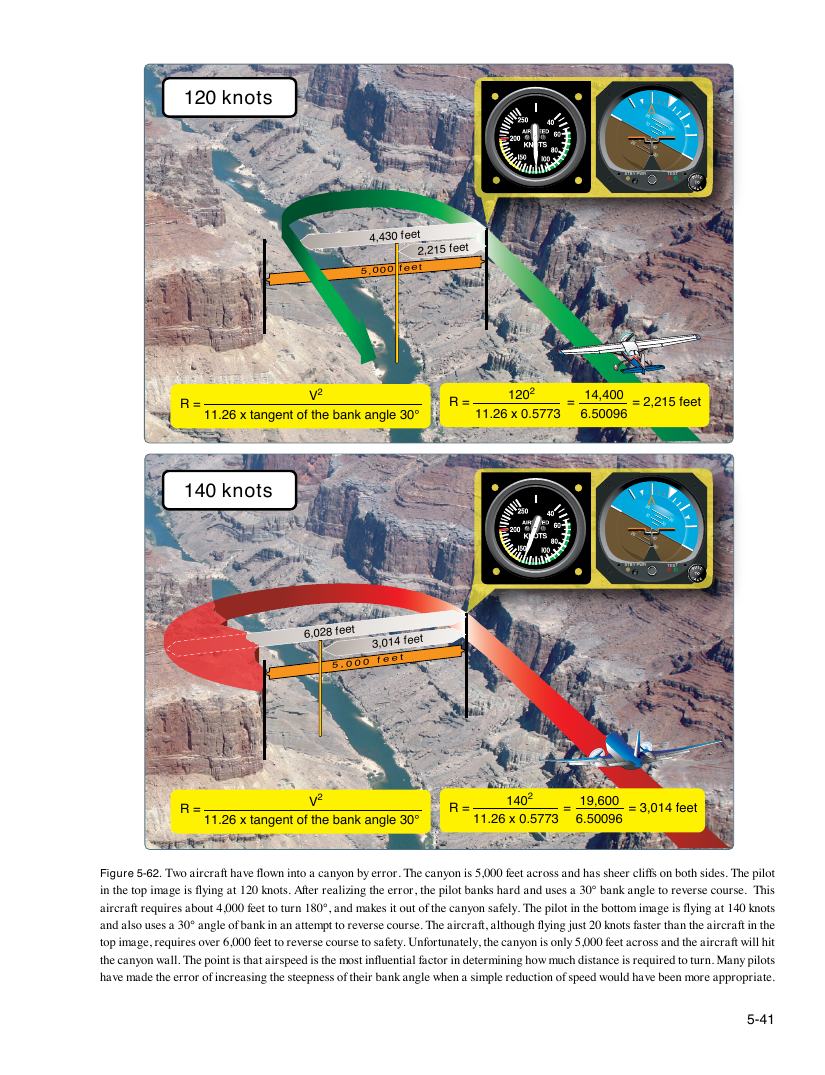
Figure 5-62. Two aircraft have flown into a canyon by error. The canyon is 5,000 feet across and has sheer cliffs on both sides. The pilot
in the top image is flying at 120 knots. After realizing the error, the pilot banks hard and uses a 30° bank angle to reverse course. This
aircraft requires about 4,000 feet to turn 180°, and makes it out of the canyon safely. The pilot in the bottom image is flying at 140 knots
and also uses a 30° angle of bank in an attempt to reverse course. The aircraft, although flying just 20 knots faster than the aircraft in the
top image, requires over 6,000 feet to reverse course to safety. Unfortunately, the canyon is only 5,000 feet across and the aircraft will hit
the canyon wall. The point is that airspeed is the most influential factor in determining how much distance is required to turn. Many pilots
have made the error of increasing the steepness of their bank angle when a simple reduction of speed would have been more appropriate.