FAA-H-8083-25C · Source PDF page 186
Aircraft Systems
Airframe Systems · PHAK page 7-26
Searchable transcription
Gravity-feed system
Engine-driven pump
Fuel-pump system
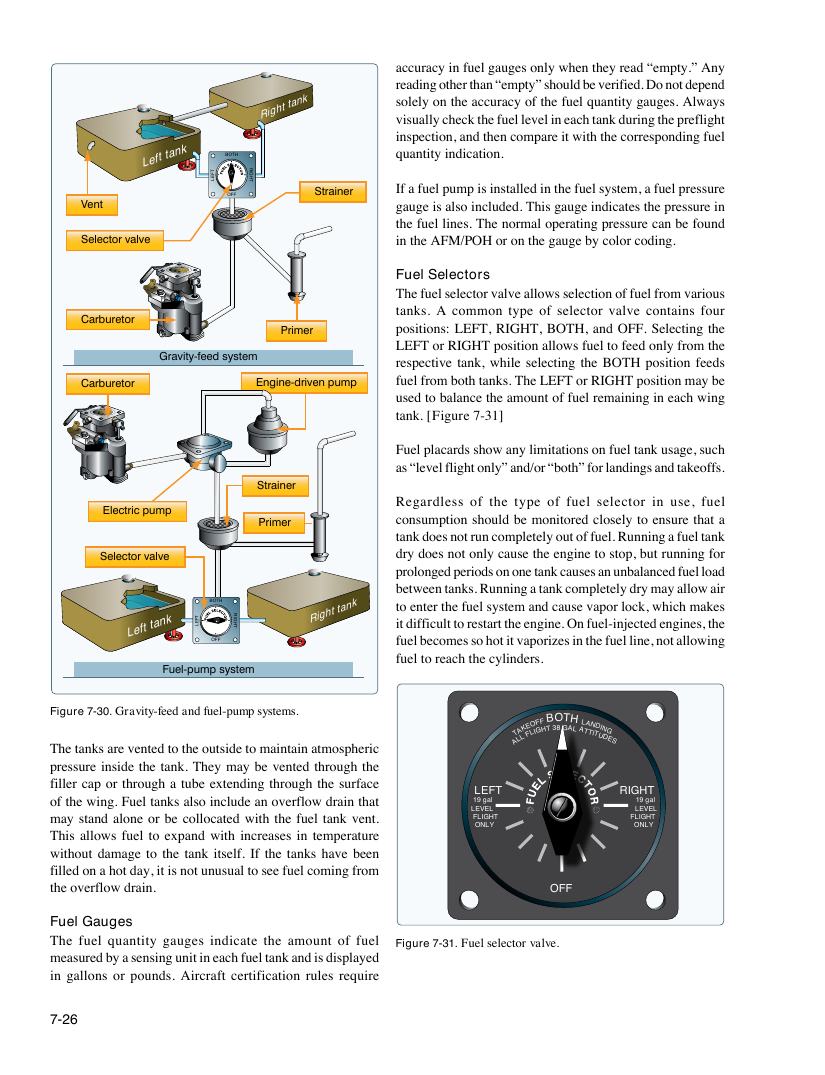
Figure 7-30. Gravity-feed and fuel-pump systems.
A T L A L K F E L O I F G F H B T 3 O 8 G T A H L A L T A T N IT D U IN D G E S
LEFT RIGHT
19 gal 19 gal
LEVEL LEVEL
FLIGHT FLIGHT
ONLY ONLY
OFF
Figure 7-31. Fuel selector valve.
7-26
R gi h t t a n k
R gi h t t a n k
Left
tank
BOTH
Left
tank
TFEL RIGHT
OFF
BOTH TFEL RIGHT
accuracy in fuel gauges only when they read “empty.” Any
reading other than “empty” should be verified. Do not depend
solely on the accuracy of the fuel quantity gauges. Always
visually check the fuel level in each tank during the preflight
inspection, and then compare it with the corresponding fuel
quantity indication.
Strainer If a fuel pump is installed in the fuel system, a fuel pressure
Vent gauge is also included. This gauge indicates the pressure in
the fuel lines. The normal operating pressure can be found
Selector valve in the AFM/POH or on the gauge by color coding.
Fuel Selectors
The fuel selector valve allows selection of fuel from various
tanks. A common type of selector valve contains four
Carburetor
Primer positions: LEFT, RIGHT, BOTH, and OFF. Selecting the
LEFT or RIGHT position allows fuel to feed only from the
respective tank, while selecting the BOTH position feeds
Carburetor fuel from both tanks. The LEFT or RIGHT position may be
used to balance the amount of fuel remaining in each wing
tank. [Figure 7-31]
Fuel placards show any limitations on fuel tank usage, such
as “level flight only” and/or “both” for landings and takeoffs.
Strainer
Regardless of the type of fuel selector in use, fuel
Electric pump
Primer consumption should be monitored closely to ensure that a
tank does not run completely out of fuel. Running a fuel tank
Selector valve dry does not only cause the engine to stop, but running for
prolonged periods on one tank causes an unbalanced fuel load
between tanks. Running a tank completely dry may allow air
to enter the fuel system and cause vapor lock, which makes it difficult to restart the engine. On fuel-injected engines, the
OFF fuel becomes so hot it vaporizes in the fuel line, not allowing
fuel to reach the cylinders.
The tanks are vented to the outside to maintain atmospheric
pressure inside the tank. They may be vented through the
filler cap or through a tube extending through the surface
of the wing. Fuel tanks also include an overflow drain that
may stand alone or be collocated with the fuel tank vent.
This allows fuel to expand with increases in temperature
without damage to the tank itself. If the tanks have been
filled on a hot day, it is not unusual to see fuel coming from
the overflow drain.
Fuel Gauges
The fuel quantity gauges indicate the amount of fuel
measured by a sensing unit in each fuel tank and is displayed
in gallons or pounds. Aircraft certification rules require