FAA-H-8083-25C · Source PDF page 200
Aircraft Systems
Anti-Ice and Deice Systems · PHAK page 7-40
Searchable transcription
and dirt. Aircraft with permanently installed oxygen tanks
usually require two persons to accomplish servicing of the
system. One should be stationed at the service equipment
control valves, and the other stationed where he or she
can observe the aircraft system pressure gauges. Oxygen
system servicing is not recommended during aircraft fueling
operations or while other work is performed that could
provide a source of ignition. Oxygen system servicing while
passengers are on board the aircraft is not recommended.
Anti-Ice and Deice Systems
Anti-icing equipment is designed to prevent the formation Tubes deflated
of ice, while deicing equipment is designed to remove ice
once it has formed. These systems protect the leading edge
of wing and tail surfaces, pitot and static port openings, fuel
tank vents, stall warning devices, windshields, and propeller
blades. Ice detection lighting may also be installed on some
aircraft to determine the extent of structural icing during
night flights.
Most light aircraft have only a heated pitot tube and are not
certified for flight in icing. These light aircraft have limited
cross-country capability in the cooler climates during late
fall, winter, and early spring. Noncertificated aircraft must
Tubes inflated
exit icing conditions immediately. Refer to the AFM/POH
for details.
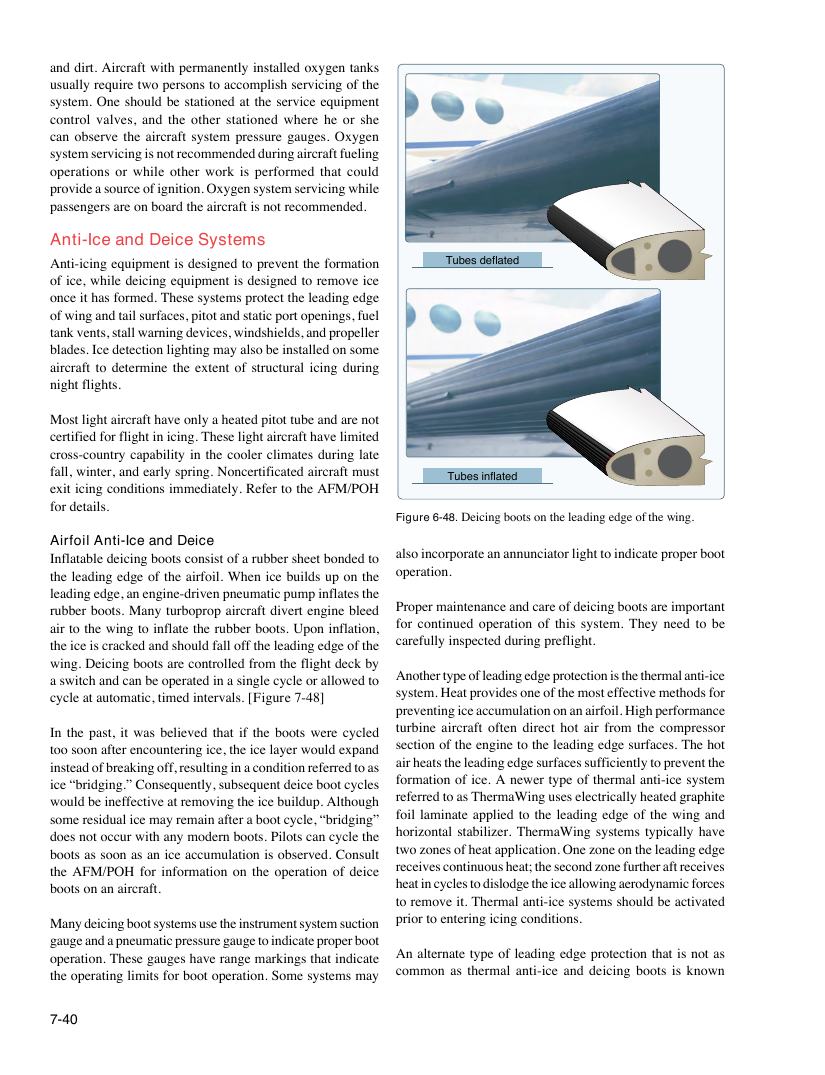
Figure 6-48. Deicing boots on the leading edge of the wing.
Airfoil Anti-Ice and Deice
also incorporate an annunciator light to indicate proper boot
Inflatable deicing boots consist of a rubber sheet bonded to
operation.
the leading edge of the airfoil. When ice builds up on the
leading edge, an engine-driven pneumatic pump inflates the
Proper maintenance and care of deicing boots are important
rubber boots. Many turboprop aircraft divert engine bleed
for continued operation of this system. They need to be
air to the wing to inflate the rubber boots. Upon inflation,
carefully inspected during preflight.
the ice is cracked and should fall off the leading edge of the
wing. Deicing boots are controlled from the flight deck by
Another type of leading edge protection is the thermal anti-ice
a switch and can be operated in a single cycle or allowed to
system. Heat provides one of the most effective methods for
cycle at automatic, timed intervals. [Figure 7-48]
preventing ice accumulation on an airfoil. High performance
turbine aircraft often direct hot air from the compressor
In the past, it was believed that if the boots were cycled
section of the engine to the leading edge surfaces. The hot
too soon after encountering ice, the ice layer would expand
air heats the leading edge surfaces sufficiently to prevent the
instead of breaking off, resulting in a condition referred to as
formation of ice. A newer type of thermal anti-ice system
ice “bridging.” Consequently, subsequent deice boot cycles
referred to as ThermaWing uses electrically heated graphite
would be ineffective at removing the ice buildup. Although
foil laminate applied to the leading edge of the wing and
some residual ice may remain after a boot cycle, “bridging”
horizontal stabilizer. ThermaWing systems typically have
does not occur with any modern boots. Pilots can cycle the
two zones of heat application. One zone on the leading edge
boots as soon as an ice accumulation is observed. Consult
receives continuous heat; the second zone further aft receives
the AFM/POH for information on the operation of deice
heat in cycles to dislodge the ice allowing aerodynamic forces
boots on an aircraft.
to remove it. Thermal anti-ice systems should be activated
prior to entering icing conditions.
Many deicing boot systems use the instrument system suction
gauge and a pneumatic pressure gauge to indicate proper boot
An alternate type of leading edge protection that is not as
operation. These gauges have range markings that indicate
common as thermal anti-ice and deicing boots is known
the operating limits for boot operation. Some systems may
7-40