FAA-H-8083-25C · Source PDF page 179
Aircraft Systems
Starting System · PHAK page 7-19
Searchable transcription
M
A Starter
I
N
B
U Normal combustion Explosion
S
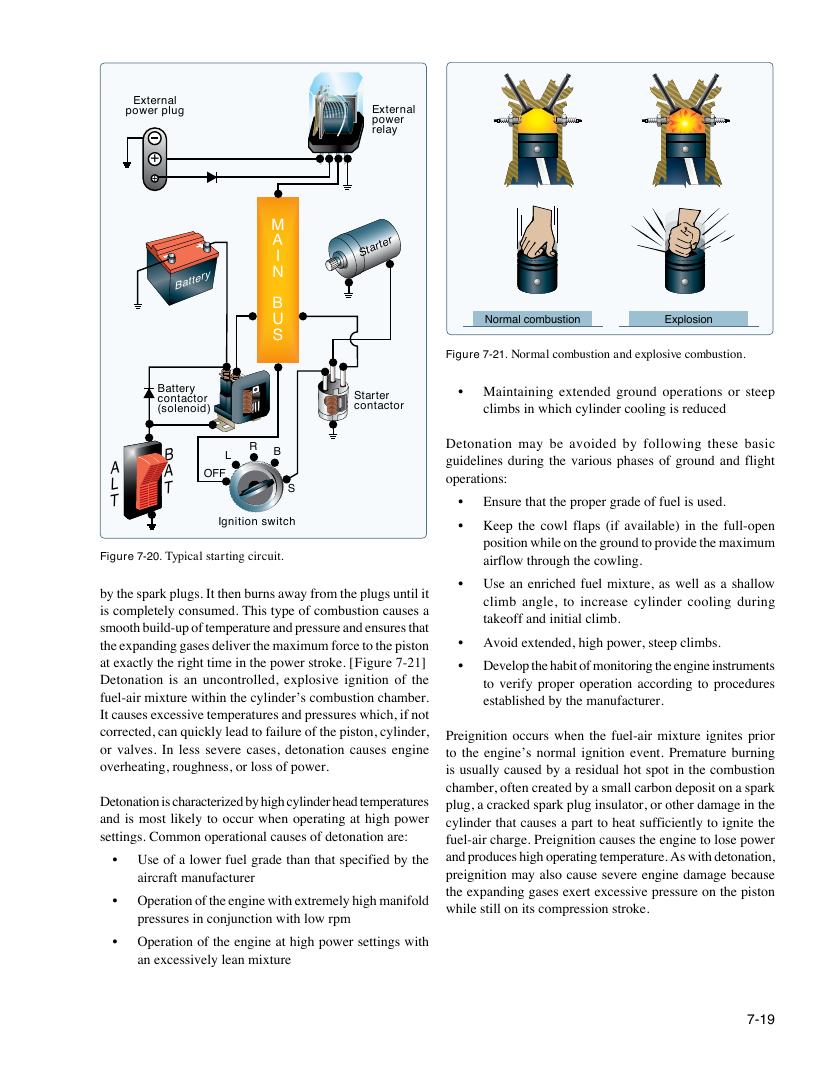
Figure 7-21. Normal combustion and explosive combustion.
Figure 7-20. Typical starting circuit.
7-19
ALT
BAT
B a t t e r y
External
power plug External
power
relay
+
+
Battery • Maintaining extended ground operations or steep
contactor Starter
(solenoid) contactor climbs in which cylinder cooling is reduced
Detonation may be avoided by following these basic
R
B L guidelines during the various phases of ground and flight
OFF operations:
S
• Ensure that the proper grade of fuel is used.
Ignition switch • Keep the cowl flaps (if available) in the full-open
position while on the ground to provide the maximum
airflow through the cowling.
• Use an enriched fuel mixture, as well as a shallow
by the spark plugs. It then burns away from the plugs until it
climb angle, to increase cylinder cooling during
is completely consumed. This type of combustion causes a
takeoff and initial climb.
smooth build-up of temperature and pressure and ensures that
the expanding gases deliver the maximum force to the piston • Avoid extended, high power, steep climbs.
at exactly the right time in the power stroke. [Figure 7-21] • Develop the habit of monitoring the engine instruments
Detonation is an uncontrolled, explosive ignition of the to verify proper operation according to procedures
fuel-air mixture within the cylinder’s combustion chamber. established by the manufacturer.
It causes excessive temperatures and pressures which, if not
corrected, can quickly lead to failure of the piston, cylinder, Preignition occurs when the fuel-air mixture ignites prior
or valves. In less severe cases, detonation causes engine to the engine’s normal ignition event. Premature burning
overheating, roughness, or loss of power. is usually caused by a residual hot spot in the combustion
chamber, often created by a small carbon deposit on a spark
Detonation is characterized by high cylinder head temperatures plug, a cracked spark plug insulator, or other damage in the
and is most likely to occur when operating at high power cylinder that causes a part to heat sufficiently to ignite the
settings. Common operational causes of detonation are: fuel-air charge. Preignition causes the engine to lose power
• Use of a lower fuel grade than that specified by the and produces high operating temperature. As with detonation,
aircraft manufacturer preignition may also cause severe engine damage because
the expanding gases exert excessive pressure on the piston
• Operation of the engine with extremely high manifold
while still on its compression stroke.
pressures in conjunction with low rpm
• Operation of the engine at high power settings with
an excessively lean mixture