FAA-H-8083-25C · Source PDF page 229
Flight Instruments
Eddy Current Damping · PHAK page 8-27
Searchable transcription
South
NORTH
N OBS
Figure 3-21. The effects of acceleration error.
N
3 3 3
3 0 6
W E
4 1
2 2
1 2 5 1
S
Figure 8-38. Vertical card magnetic compass.
8-27
E S W 30 42 3 1 3 2 NAVGS 3 5 1 6 2 1
View is from the pilot’s
perspective, and the
movable card is reset
after each turn.
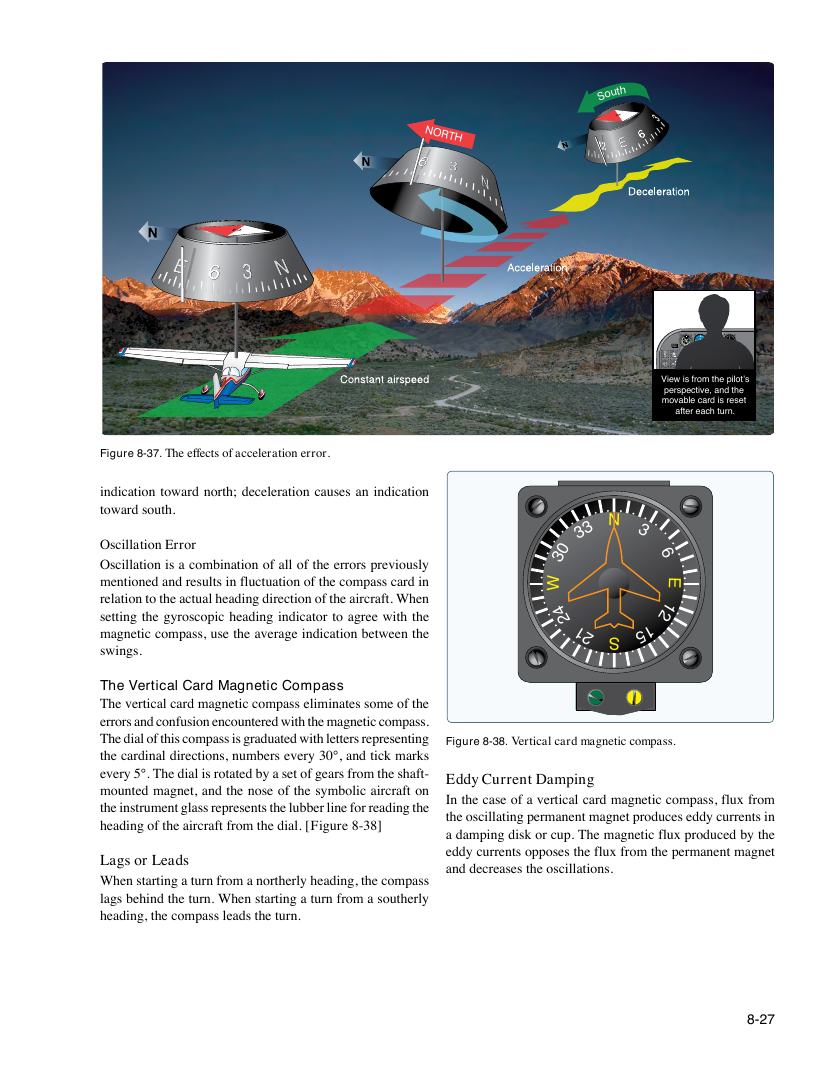
Figure 8-37. The effects of acceleration error.
indication toward north; deceleration causes an indication
toward south.
Oscillation Error
Oscillation is a combination of all of the errors previously
mentioned and results in fluctuation of the compass card in
relation to the actual heading direction of the aircraft. When
setting the gyroscopic heading indicator to agree with the
magnetic compass, use the average indication between the
swings.
The Vertical Card Magnetic Compass
The vertical card magnetic compass eliminates some of the
errors and confusion encountered with the magnetic compass.
The dial of this compass is graduated with letters representing
the cardinal directions, numbers every 30°, and tick marks
every 5°. The dial is rotated by a set of gears from the shaft-
Eddy Current Damping
mounted magnet, and the nose of the symbolic aircraft on
In the case of a vertical card magnetic compass, flux from
the instrument glass represents the lubber line for reading the
the oscillating permanent magnet produces eddy currents in
heading of the aircraft from the dial. [Figure 8-38]
a damping disk or cup. The magnetic flux produced by the
eddy currents opposes the flux from the permanent magnet
Lags or Leads
and decreases the oscillations.
When starting a turn from a northerly heading, the compass
lags behind the turn. When starting a turn from a southerly
heading, the compass leads the turn.