FAA-H-8083-25C · Source PDF page 204
Flight Instruments
Flight · PHAK page 8-2
Searchable transcription
Airspeed indicator (ASI) Vertical speed indicator (VSI) Altimeter
2 32 9 0 9 . . . 8 0 9
Pressure chamber
Static chamber Static port
Baffle plate
Pitot tube
Drain hole
Ram air Static hole
Heater (35 watts)
Heater (100 watts) Pitot heater switch Alternate static source
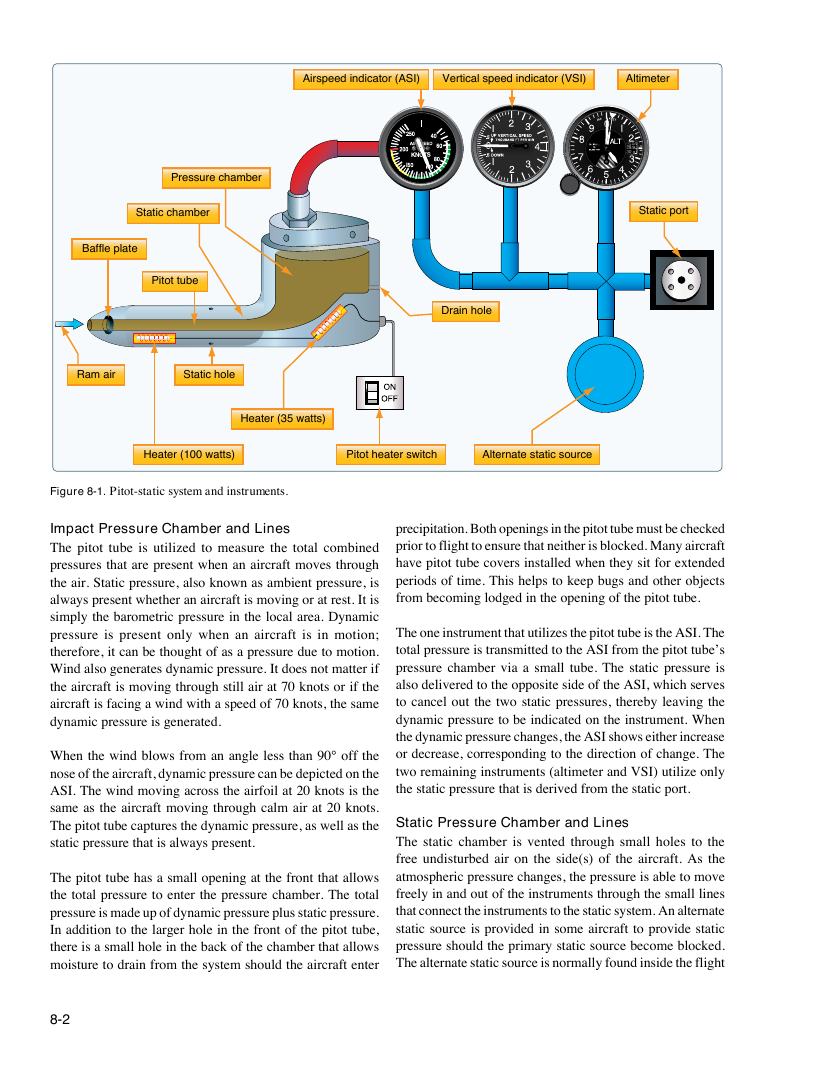
Figure 8-1. Pitot-static system and instruments.
Impact Pressure Chamber and Lines precipitation. Both openings in the pitot tube must be checked
The pitot tube is utilized to measure the total combined prior to flight to ensure that neither is blocked. Many aircraft
pressures that are present when an aircraft moves through have pitot tube covers installed when they sit for extended
the air. Static pressure, also known as ambient pressure, is periods of time. This helps to keep bugs and other objects
always present whether an aircraft is moving or at rest. It is from becoming lodged in the opening of the pitot tube.
simply the barometric pressure in the local area. Dynamic
pressure is present only when an aircraft is in motion; The one instrument that utilizes the pitot tube is the ASI. The
therefore, it can be thought of as a pressure due to motion. total pressure is transmitted to the ASI from the pitot tube’s
Wind also generates dynamic pressure. It does not matter if pressure chamber via a small tube. The static pressure is
the aircraft is moving through still air at 70 knots or if the also delivered to the opposite side of the ASI, which serves
aircraft is facing a wind with a speed of 70 knots, the same to cancel out the two static pressures, thereby leaving the
dynamic pressure is generated. dynamic pressure to be indicated on the instrument. When
the dynamic pressure changes, the ASI shows either increase
When the wind blows from an angle less than 90° off the or decrease, corresponding to the direction of change. The
nose of the aircraft, dynamic pressure can be depicted on the two remaining instruments (altimeter and VSI) utilize only
ASI. The wind moving across the airfoil at 20 knots is the the static pressure that is derived from the static port.
same as the aircraft moving through calm air at 20 knots.
The pitot tube captures the dynamic pressure, as well as the Static Pressure Chamber and Lines
static pressure that is always present. The static chamber is vented through small holes to the
free undisturbed air on the side(s) of the aircraft. As the
The pitot tube has a small opening at the front that allows atmospheric pressure changes, the pressure is able to move
the total pressure to enter the pressure chamber. The total freely in and out of the instruments through the small lines
pressure is made up of dynamic pressure plus static pressure. that connect the instruments to the static system. An alternate
In addition to the larger hole in the front of the pitot tube, static source is provided in some aircraft to provide static
there is a small hole in the back of the chamber that allows pressure should the primary static source become blocked.
moisture to drain from the system should the aircraft enter The alternate static source is normally found inside the flight
8-2