FAA-H-8083-25C · Source PDF page 265
Aircraft Performance
Climb Performance Factors · PHAK page 11-9
Searchable transcription
Indicated airspeed (knots)
11-9
)teef(
edutitla
dradnatS
24,000
22,000
20,000
18,000 Absolute ceiling
16,000 Service ceiling
14,000
12,000
10,000 Best angle Best rate
of climb (Vx) of climb (Vy)
8,000
6,000
4,000
2,000
Sea level
70 80 90 100 110 120
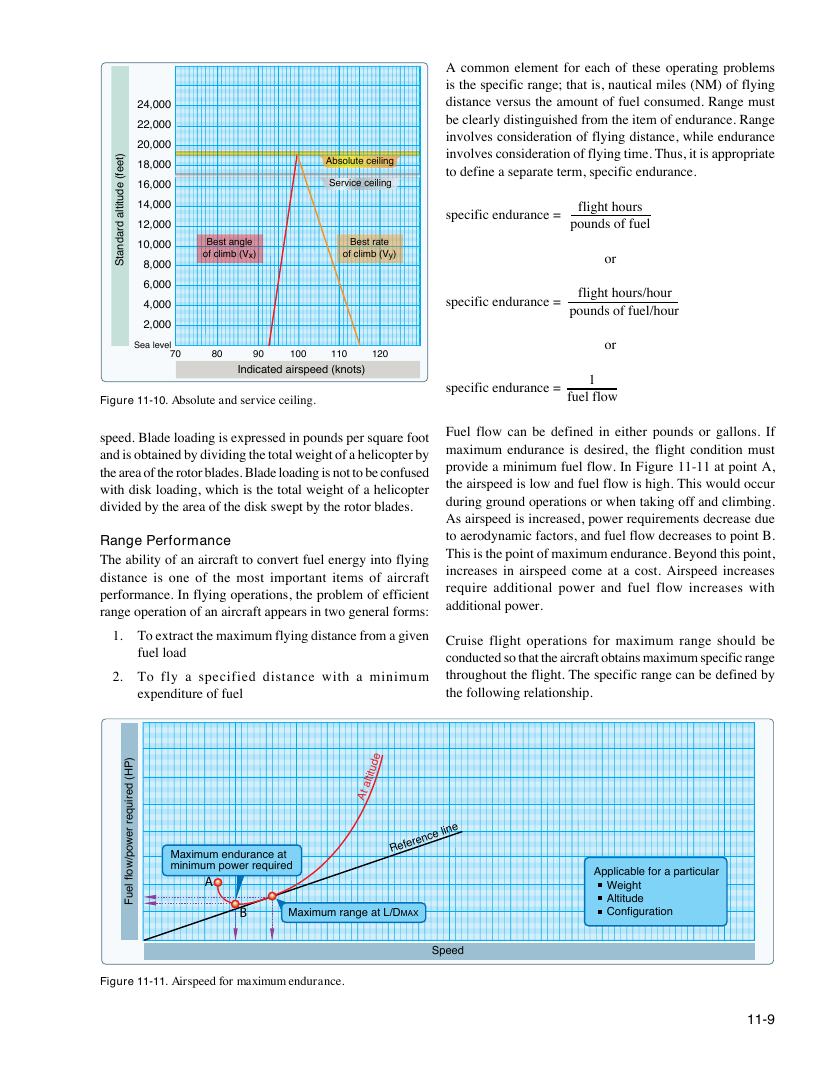
Figure 11-10. Absolute and service ceiling.
)PH(
deriuqer
rewop/wolf
leuF
A common element for each of these operating problems
is the specific range; that is, nautical miles (NM) of flying
distance versus the amount of fuel consumed. Range must
be clearly distinguished from the item of endurance. Range
involves consideration of flying distance, while endurance
involves consideration of flying time. Thus, it is appropriate
to define a separate term, specific endurance.
flight hours
specific endurance =
pounds of fuel
or
flight hours/hour
specific endurance =
pounds of fuel/hour
or
1
specific endurance =
fuel flow
Fuel flow can be defined in either pounds or gallons. If
speed. Blade loading is expressed in pounds per square foot
maximum endurance is desired, the flight condition must
and is obtained by dividing the total weight of a helicopter by
provide a minimum fuel flow. In Figure 11-11 at point A,
the area of the rotor blades. Blade loading is not to be confused
the airspeed is low and fuel flow is high. This would occur
with disk loading, which is the total weight of a helicopter
during ground operations or when taking off and climbing.
divided by the area of the disk swept by the rotor blades.
As airspeed is increased, power requirements decrease due
to aerodynamic factors, and fuel flow decreases to point B.
Range Performance
This is the point of maximum endurance. Beyond this point,
The ability of an aircraft to convert fuel energy into flying
increases in airspeed come at a cost. Airspeed increases
distance is one of the most important items of aircraft
require additional power and fuel flow increases with
performance. In flying operations, the problem of efficient
additional power.
range operation of an aircraft appears in two general forms:
1. To extract the maximum flying distance from a given
Cruise flight operations for maximum range should be
fuel load
conducted so that the aircraft obtains maximum specific range
2. To fly a specified distance with a minimum throughout the flight. The specific range can be defined by
expenditure of fuel the following relationship.
e
d
u
altit
At
Reference
line
Maximum endurance at
minimum power required
Applicable for a particular
A
Weight
Altitude
B Maximum range at L/DMAX Configuration
Speed
Figure 11-11. Airspeed for maximum endurance.