FAA-H-8083-25C · Source PDF page 290
Weather Theory
Altitude and Flight · PHAK page 12-6
Searchable transcription
Station Pressure
Denver
24.92 "Hg
Standard Atmosphere
Station Pressure
New Orleans
29.92 "Hg
New Orleans 29.92 "Hg
Denver 29.92 "Hg
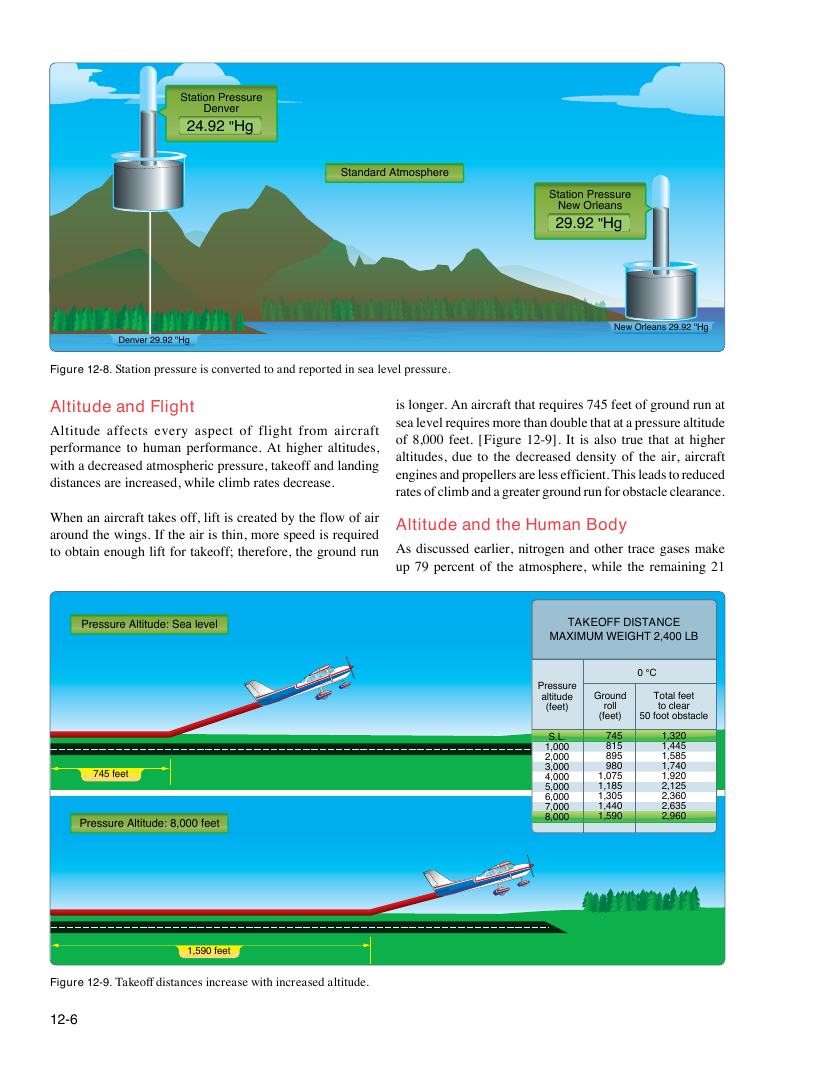
Figure 12-8. Station pressure is converted to and reported in sea level pressure.
Altitude and Flight is longer. An aircraft that requires 745 feet of ground run at
sea level requires more than double that at a pressure altitude
Altitude affects every aspect of flight from aircraft
of 8,000 feet. [Figure 12-9]. It is also true that at higher
performance to human performance. At higher altitudes,
altitudes, due to the decreased density of the air, aircraft
with a decreased atmospheric pressure, takeoff and landing
engines and propellers are less efficient. This leads to reduced
distances are increased, while climb rates decrease.
rates of climb and a greater ground run for obstacle clearance.
When an aircraft takes off, lift is created by the flow of air
Altitude and the Human Body
around the wings. If the air is thin, more speed is required
to obtain enough lift for takeoff; therefore, the ground run As discussed earlier, nitrogen and other trace gases make
up 79 percent of the atmosphere, while the remaining 21
Pressure Altitude: Sea level TAKEOFF DISTANCE
MAXIMUM WEIGHT 2,400 LB
0 °C
Pressure
altitude Ground Total feet
(feet) roll to clear
(feet) 50 foot obstacle
S.L. 745 1,320
1,000 815 1,445
2,000 895 1,585
3,000 980 1,740
745 feet 4,000 1,075 1,920
5,000 1,185 2,125
6,000 1,305 2,360
7,000 1,440 2,635
8,000 1,590 2,960
Pressure Altitude: 8,000 feet
1,590 feet
Figure 12-9. Takeoff distances increase with increased altitude.
12-6