FAA-H-8083-25C · Source PDF page 292
Weather Theory
Wind and Currents · PHAK page 12-8
Searchable transcription
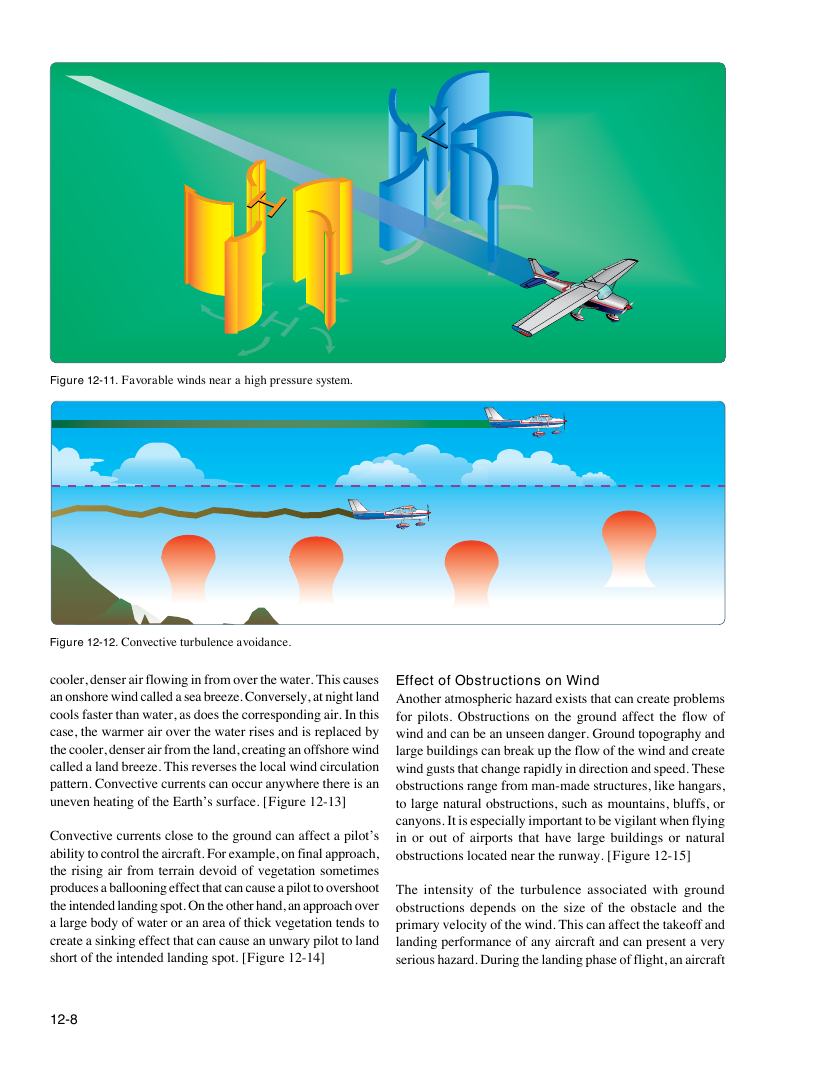
Figure 12-11. Favorable winds near a high pressure system.
Figure 12-12. Convective turbulence avoidance.
cooler, denser air flowing in from over the water. This causes Effect of Obstructions on Wind
an onshore wind called a sea breeze. Conversely, at night land Another atmospheric hazard exists that can create problems
cools faster than water, as does the corresponding air. In this for pilots. Obstructions on the ground affect the flow of
case, the warmer air over the water rises and is replaced by wind and can be an unseen danger. Ground topography and
the cooler, denser air from the land, creating an offshore wind large buildings can break up the flow of the wind and create
called a land breeze. This reverses the local wind circulation wind gusts that change rapidly in direction and speed. These
pattern. Convective currents can occur anywhere there is an obstructions range from man-made structures, like hangars,
uneven heating of the Earth’s surface. [Figure 12-13] to large natural obstructions, such as mountains, bluffs, or
canyons. It is especially important to be vigilant when flying
Convective currents close to the ground can affect a pilot’s in or out of airports that have large buildings or natural
ability to control the aircraft. For example, on final approach, obstructions located near the runway. [Figure 12-15]
the rising air from terrain devoid of vegetation sometimes
produces a ballooning effect that can cause a pilot to overshoot The intensity of the turbulence associated with ground
the intended landing spot. On the other hand, an approach over obstructions depends on the size of the obstacle and the
a large body of water or an area of thick vegetation tends to primary velocity of the wind. This can affect the takeoff and
create a sinking effect that can cause an unwary pilot to land landing performance of any aircraft and can present a very
short of the intended landing spot. [Figure 12-14] serious hazard. During the landing phase of flight, an aircraft
12-8