FAA-H-8083-25C · Source PDF page 333
Aviation Weather Services
Flight Information Service- Broadcast (FIS-B) · PHAK page 13-23
Searchable transcription
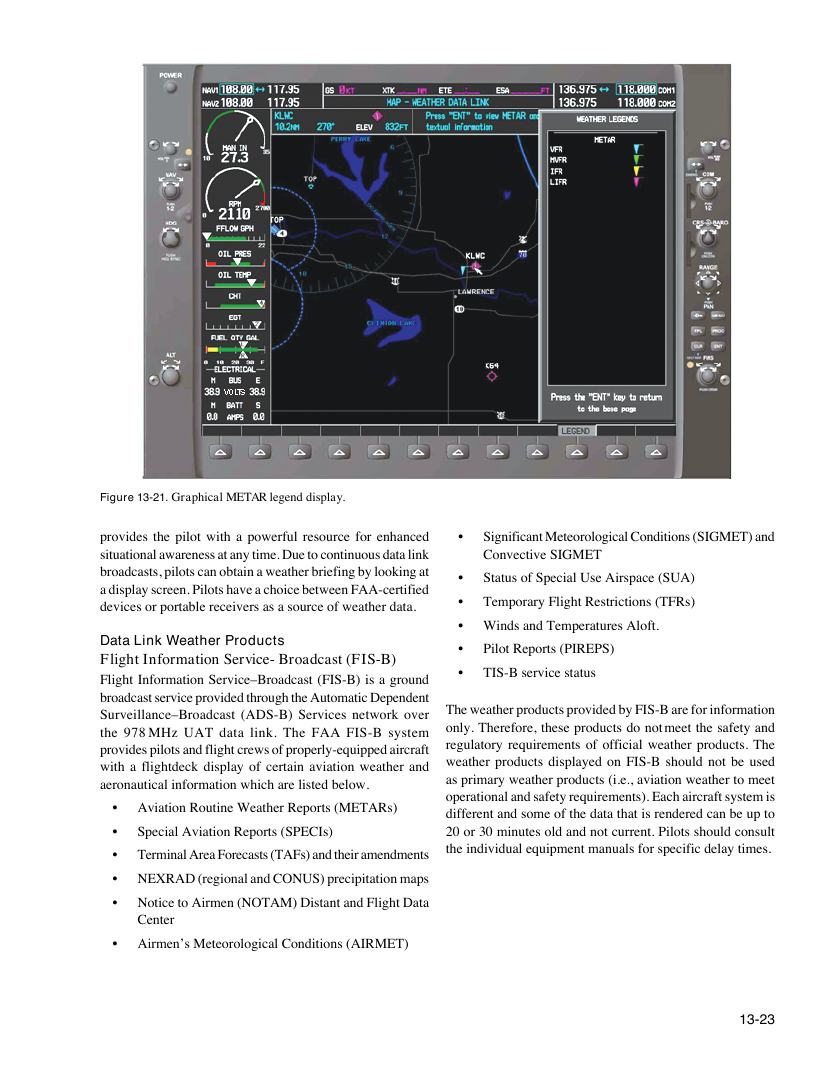
Figure 13-21. Graphical METAR legend display.
provides the pilot with a powerful resource for enhanced • Significant Meteorological Conditions (SIGMET) and
situational awareness at any time. Due to continuous data link Convective SIGMET
broadcasts, pilots can obtain a weather briefing by looking at
• Status of Special Use Airspace (SUA)
a display screen. Pilots have a choice between FAA-certified
• Temporary Flight Restrictions (TFRs)
devices or portable receivers as a source of weather data.
• Winds and Temperatures Aloft.
Data Link Weather Products
• Pilot Reports (PIREPS)
Flight Information Service- Broadcast (FIS-B)
• TIS-B service status
Flight Information Service–Broadcast (FIS-B) is a ground
broadcast service provided through the Automatic Dependent
The weather products provided by FIS-B are for information
Surveillance–Broadcast (ADS-B) Services network over
only. Therefore, these products do not meet the safety and
the 978 MHz UAT data link. The FAA FIS-B system
regulatory requirements of official weather products. The
provides pilots and flight crews of properly-equipped aircraft
weather products displayed on FIS-B should not be used
with a flightdeck display of certain aviation weather and
as primary weather products (i.e., aviation weather to meet
aeronautical information which are listed below.
operational and safety requirements). Each aircraft system is
• Aviation Routine Weather Reports (METARs)
different and some of the data that is rendered can be up to
• Special Aviation Reports (SPECIs) 20 or 30 minutes old and not current. Pilots should consult
the individual equipment manuals for specific delay times.
• Terminal Area Forecasts (TAFs) and their amendments
• NEXRAD (regional and CONUS) precipitation maps
• Notice to Airmen (NOTAM) Distant and Flight Data
Center
• Airmen’s Meteorological Conditions (AIRMET)
13-23