FAA-H-8083-25C · Source PDF page 354
Airport Operations
Traffic Patterns · PHAK page 14-20
Searchable transcription
out straighter in strong winds and tends to move back and
forth when the wind is gusting. Wind tees and tetrahedrons
can swing freely and align themselves with the wind direction.
Since a wind tee or tetrahedron can also be manually set to
align with the runway in use, a pilot should also look at the
wind sock for wind information, if one is available.
Traffic Patterns
At airports without an operating control tower, a segmented
circle visual indicator system, if installed, is designed to
provide traffic pattern information. [Figure 14-38] Usually
located in a position affording maximum visibility to pilots in
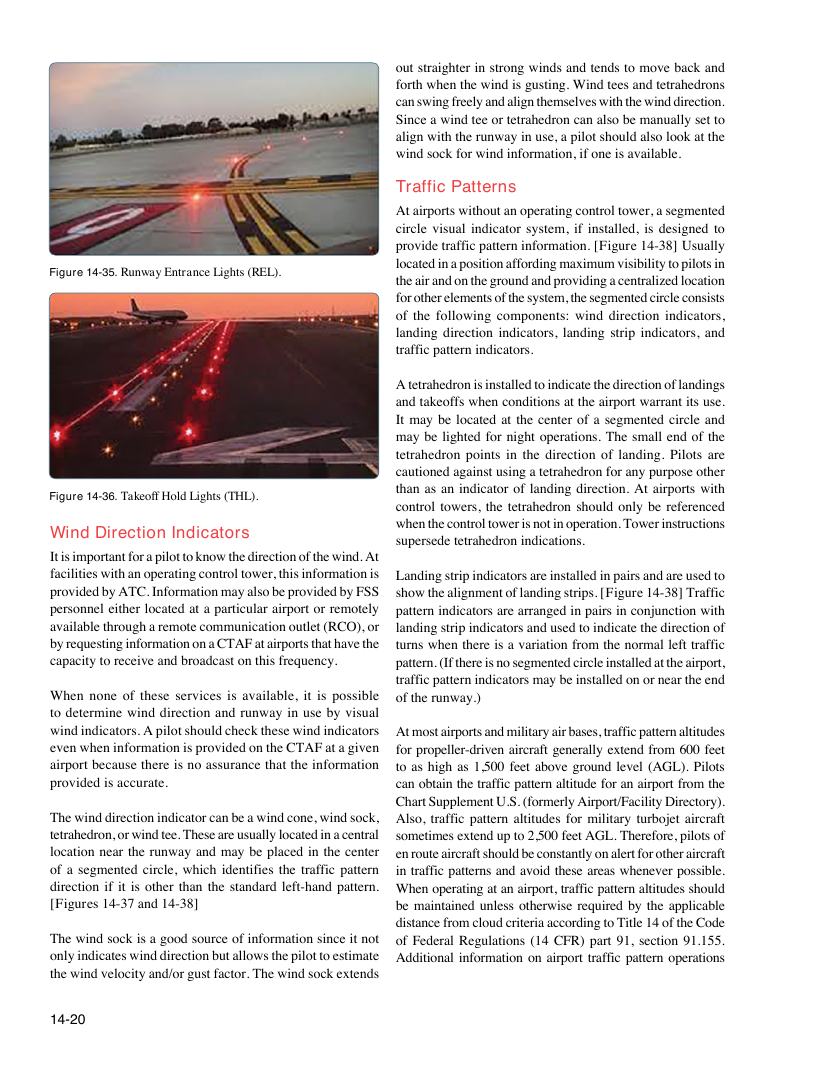
Figure 14-35. Runway Entrance Lights (REL).
the air and on the ground and providing a centralized location
for other elements of the system, the segmented circle consists
of the following components: wind direction indicators,
landing direction indicators, landing strip indicators, and
traffic pattern indicators.
A tetrahedron is installed to indicate the direction of landings
and takeoffs when conditions at the airport warrant its use.
It may be located at the center of a segmented circle and
may be lighted for night operations. The small end of the
tetrahedron points in the direction of landing. Pilots are
cautioned against using a tetrahedron for any purpose other
than as an indicator of landing direction. At airports with
Figure 14-36. Takeoff Hold Lights (THL).
control towers, the tetrahedron should only be referenced
when the control tower is not in operation. Tower instructions
Wind Direction Indicators
supersede tetrahedron indications.
It is important for a pilot to know the direction of the wind. At
facilities with an operating control tower, this information is Landing strip indicators are installed in pairs and are used to
provided by ATC. Information may also be provided by FSS show the alignment of landing strips. [Figure 14-38] Traffic
personnel either located at a particular airport or remotely pattern indicators are arranged in pairs in conjunction with
available through a remote communication outlet (RCO), or landing strip indicators and used to indicate the direction of
by requesting information on a CTAF at airports that have the turns when there is a variation from the normal left traffic
capacity to receive and broadcast on this frequency. pattern. (If there is no segmented circle installed at the airport,
traffic pattern indicators may be installed on or near the end
When none of these services is available, it is possible of the runway.)
to determine wind direction and runway in use by visual
wind indicators. A pilot should check these wind indicators At most airports and military air bases, traffic pattern altitudes
even when information is provided on the CTAF at a given for propeller-driven aircraft generally extend from 600 feet
airport because there is no assurance that the information to as high as 1,500 feet above ground level (AGL). Pilots
provided is accurate. can obtain the traffic pattern altitude for an airport from the
Chart Supplement U.S. (formerly Airport/Facility Directory).
The wind direction indicator can be a wind cone, wind sock, Also, traffic pattern altitudes for military turbojet aircraft
tetrahedron, or wind tee. These are usually located in a central sometimes extend up to 2,500 feet AGL. Therefore, pilots of
location near the runway and may be placed in the center en route aircraft should be constantly on alert for other aircraft
of a segmented circle, which identifies the traffic pattern in traffic patterns and avoid these areas whenever possible.
direction if it is other than the standard left-hand pattern. When operating at an airport, traffic pattern altitudes should
[Figures 14-37 and 14-38] be maintained unless otherwise required by the applicable
distance from cloud criteria according to Title 14 of the Code
The wind sock is a good source of information since it not of Federal Regulations (14 CFR) part 91, section 91.155.
only indicates wind direction but allows the pilot to estimate Additional information on airport traffic pattern operations
the wind velocity and/or gust factor. The wind sock extends
14-20