FAA-H-8083-25C · Source PDF page 26
Introduction to Flying
Flight Publications · PHAK page 1-11
Searchable transcription
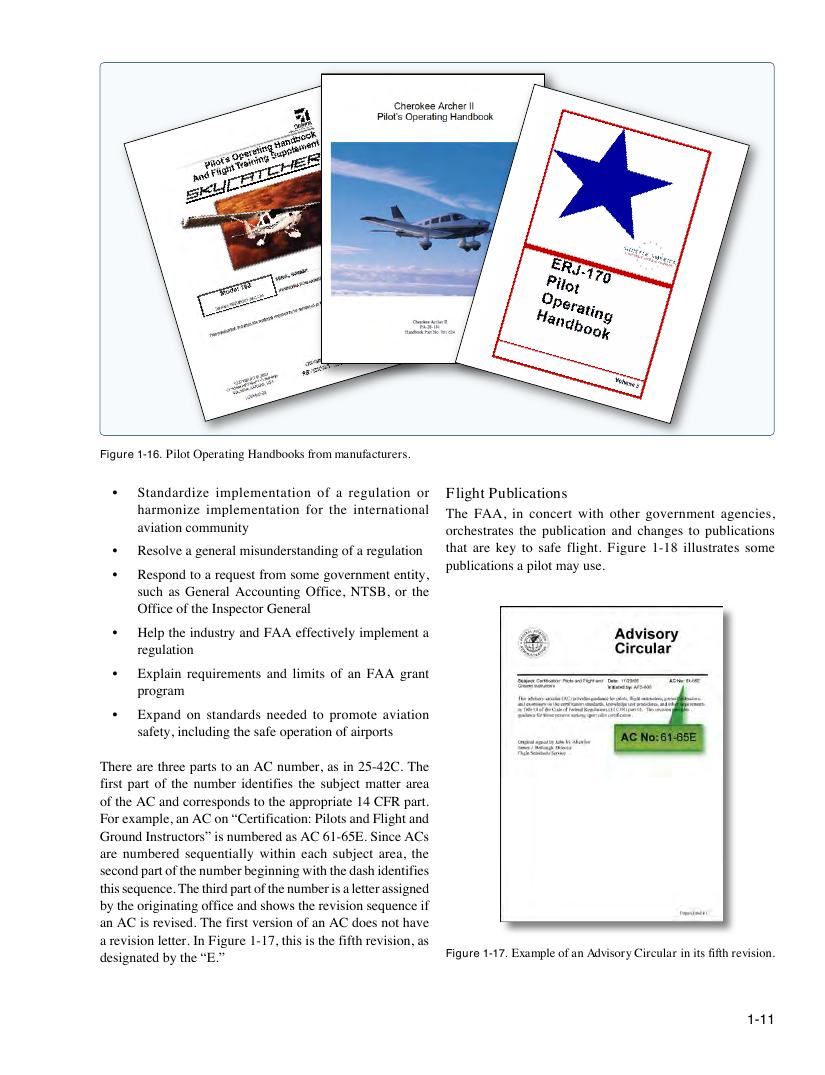
Figure 1-16. Pilot Operating Handbooks from manufacturers.
• Standardize implementation of a regulation or Flight Publications
harmonize implementation for the international The FAA, in concert with other government agencies,
aviation community orchestrates the publication and changes to publications
• Resolve a general misunderstanding of a regulation that are key to safe flight. Figure 1-18 illustrates some
publications a pilot may use.
• Respond to a request from some government entity,
such as General Accounting Office, NTSB, or the
Office of the Inspector General
• Help the industry and FAA effectively implement a
regulation
• Explain requirements and limits of an FAA grant
program
• Expand on standards needed to promote aviation
safety, including the safe operation of airports
There are three parts to an AC number, as in 25-42C. The
first part of the number identifies the subject matter area
of the AC and corresponds to the appropriate 14 CFR part.
For example, an AC on “Certification: Pilots and Flight and
Ground Instructors” is numbered as AC 61-65E. Since ACs
are numbered sequentially within each subject area, the
second part of the number beginning with the dash identifies
this sequence. The third part of the number is a letter assigned
by the originating office and shows the revision sequence if
an AC is revised. The first version of an AC does not have
a revision letter. In Figure 1-17, this is the fifth revision, as
designated by the “E.” Figure 1-17. Example of an Advisory Circular in its fifth revision.
1-11