FAA-H-8083-25C · Source PDF page 25
Introduction to Flying
Handbooks · PHAK page 1-10
Searchable transcription
Aeronautical Information Manual (AIM)
The Aeronautical Information Manual is designed to provide
the aviation community with basic flight information and
ATC procedures for use in the NAS of the United States. It
also contains the fundamentals required in order to fly in the
United States NAS, including items of interest to pilots
concerning health/medical facts, factors affecting flight
safety, etc.
Aircraft Flying Handbooks (by category)
The Aircraft Flying Handbooks are designed as technical
manuals to introduce basic pilot skills and knowledge that
are essential for piloting aircraft. They provide information
on transition to other aircraft and the operation of various
aircraft systems.
Aviation Instructor’s Handbook
The Aviation Instructor’s Handbook provides the foundation
for beginning instructors to understand and apply the
fundamentals of instructing. This handbook also provides
aviation instructors with up-to-date information on learning
and teaching, and how to relate this information to the task
of conveying aeronautical knowledge and skills to students.
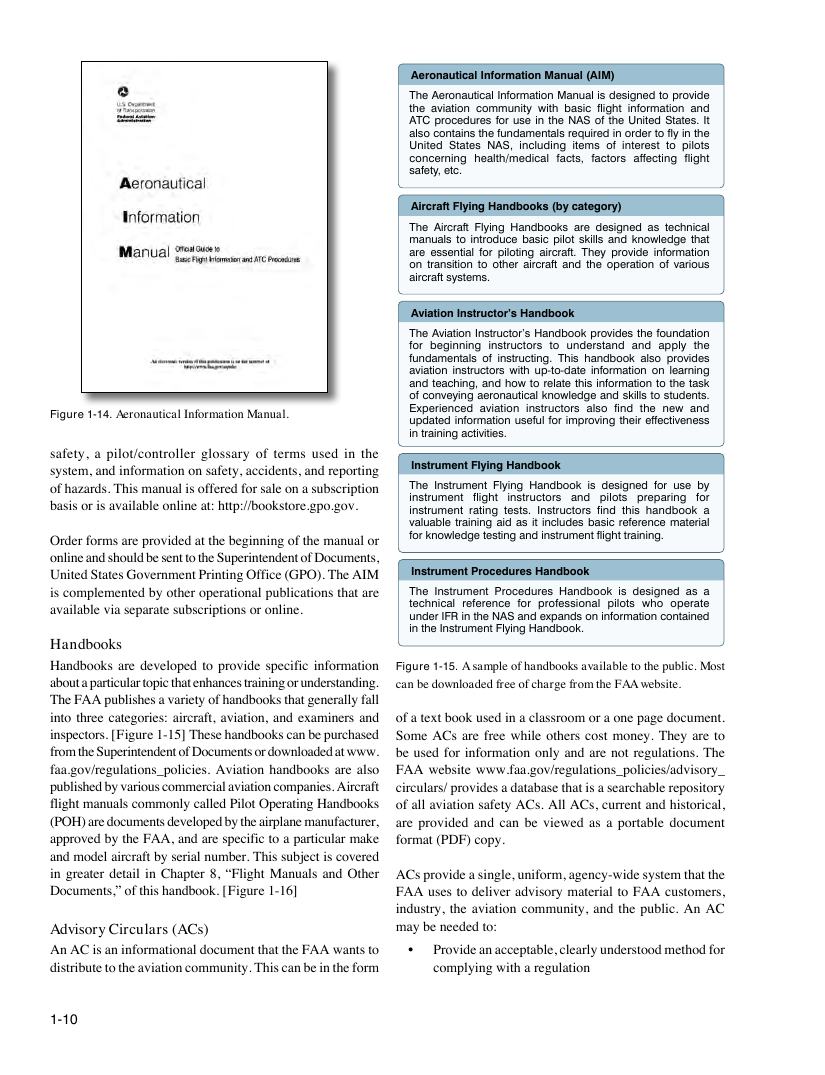
Figure 1-14. Aeronautical Information Manual.
Experienced aviation instructors also find the new and
updated information useful for improving their effectiveness
in training activities.
safety, a pilot/controller glossary of terms used in the
Instrument Flying Handbook
system, and information on safety, accidents, and reporting
of hazards. This manual is offered for sale on a subscription The Instrument Flying Handbook is designed for use by
instrument flight instructors and pilots preparing for
basis or is available online at: http://bookstore.gpo.gov.
instrument rating tests. Instructors find this handbook a
valuable training aid as it includes basic reference material
Order forms are provided at the beginning of the manual or for knowledge testing and instrument flight training.
online and should be sent to the Superintendent of Documents,
United States Government Printing Office (GPO). The AIM Instrument Procedures Handbook
is complemented by other operational publications that are The Instrument Procedures Handbook is designed as a
technical reference for professional pilots who operate
available via separate subscriptions or online.
under IFR in the NAS and expands on information contained
in the Instrument Flying Handbook.
Handbooks
Handbooks are developed to provide specific information Figure 1-15. A sample of handbooks available to the public. Most
about a particular topic that enhances training or understanding. can be downloaded free of charge from the FAA website.
The FAA publishes a variety of handbooks that generally fall
into three categories: aircraft, aviation, and examiners and of a text book used in a classroom or a one page document.
inspectors. [Figure 1-15] These handbooks can be purchased Some ACs are free while others cost money. They are to
from the Superintendent of Documents or downloaded at www. be used for information only and are not regulations. The
faa.gov/regulations_policies. Aviation handbooks are also FAA website www.faa.gov/regulations_policies/advisory_
published by various commercial aviation companies. Aircraft circulars/ provides a database that is a searchable repository
flight manuals commonly called Pilot Operating Handbooks of all aviation safety ACs. All ACs, current and historical,
(POH) are documents developed by the airplane manufacturer, are provided and can be viewed as a portable document
approved by the FAA, and are specific to a particular make format (PDF) copy.
and model aircraft by serial number. This subject is covered
in greater detail in Chapter 8, “Flight Manuals and Other ACs provide a single, uniform, agency-wide system that the
Documents,” of this handbook. [Figure 1-16] FAA uses to deliver advisory material to FAA customers,
industry, the aviation community, and the public. An AC
Advisory Circulars (ACs) may be needed to:
An AC is an informational document that the FAA wants to • Provide an acceptable, clearly understood method for
distribute to the aviation community. This can be in the form complying with a regulation
1-10