FAA-H-8083-25C · Source PDF page 20
Introduction to Flying
History of the Federal Aviation · PHAK page 1-5
Searchable transcription
Figure 1-8. Standard airway beacon installation.
1-5
C
K
-
D
Figure 1-9. The third head of the Aeronautics Branch, Eugene
L. Vidal, is flanked by President Franklin D. Roosevelt (left) and
Secretary of Agriculture Henry A. Wallace (right). The photograph
was taken in 1933. During Vidal’s tenure, the Aeronautics Branch
was renamed the Bureau of Air Commerce on July 1, 1934. The
new name more accurately reflected the status of the organization
within the Department of Commerce.
and encouraged them to form the first three Air Traffic
Control (ATC) facilities along the established air routes.
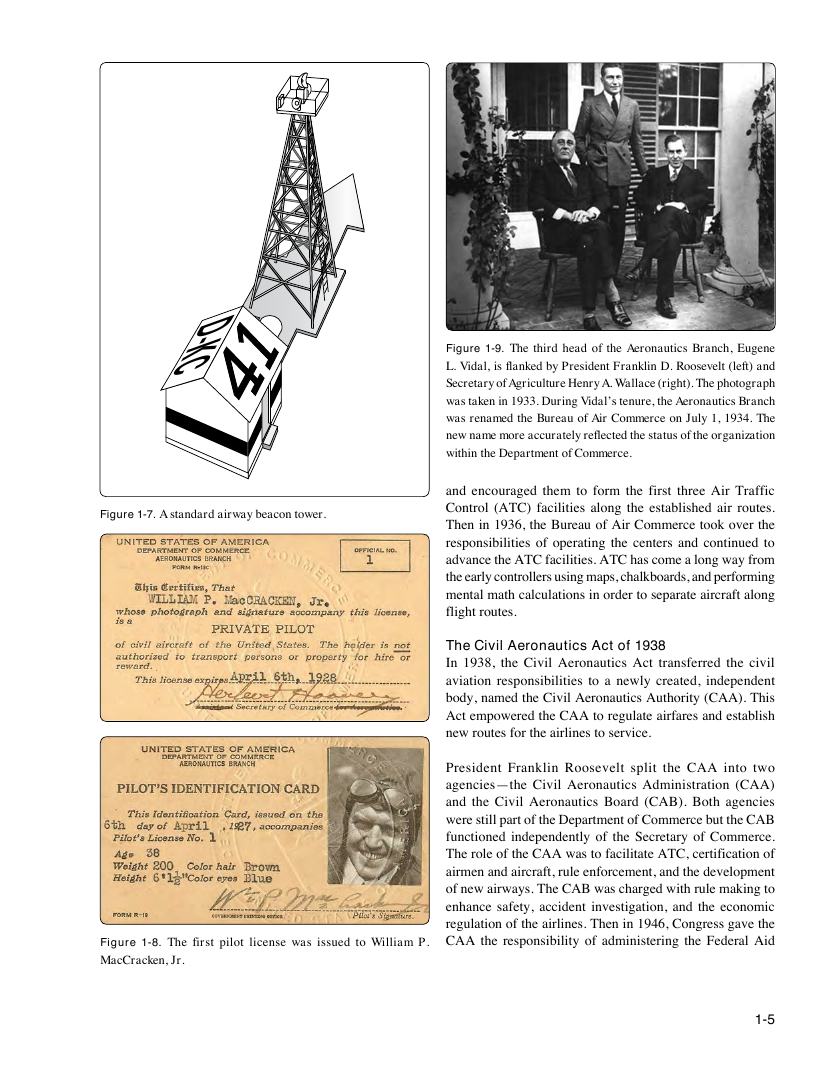
Figure 1-7. A standard airway beacon tower.
Then in 1936, the Bureau of Air Commerce took over the
responsibilities of operating the centers and continued to
advance the ATC facilities. ATC has come a long way from
the early controllers using maps, chalkboards, and performing
mental math calculations in order to separate aircraft along
flight routes.
The Civil Aeronautics Act of 1938
In 1938, the Civil Aeronautics Act transferred the civil
aviation responsibilities to a newly created, independent
body, named the Civil Aeronautics Authority (CAA). This
Act empowered the CAA to regulate airfares and establish
new routes for the airlines to service.
President Franklin Roosevelt split the CAA into two
agencies—the Civil Aeronautics Administration (CAA)
and the Civil Aeronautics Board (CAB). Both agencies
were still part of the Department of Commerce but the CAB
functioned independently of the Secretary of Commerce.
The role of the CAA was to facilitate ATC, certification of
airmen and aircraft, rule enforcement, and the development
of new airways. The CAB was charged with rule making to
enhance safety, accident investigation, and the economic
regulation of the airlines. Then in 1946, Congress gave the
Figure 1-8. The first pilot license was issued to William P. CAA the responsibility of administering the Federal Aid
MacCracken, Jr.