FAA-H-8083-25C · Source PDF page 77
Aircraft Construction
Alternate Types of Wings · PHAK page 3-6
Searchable transcription
Basic section
Plain flap
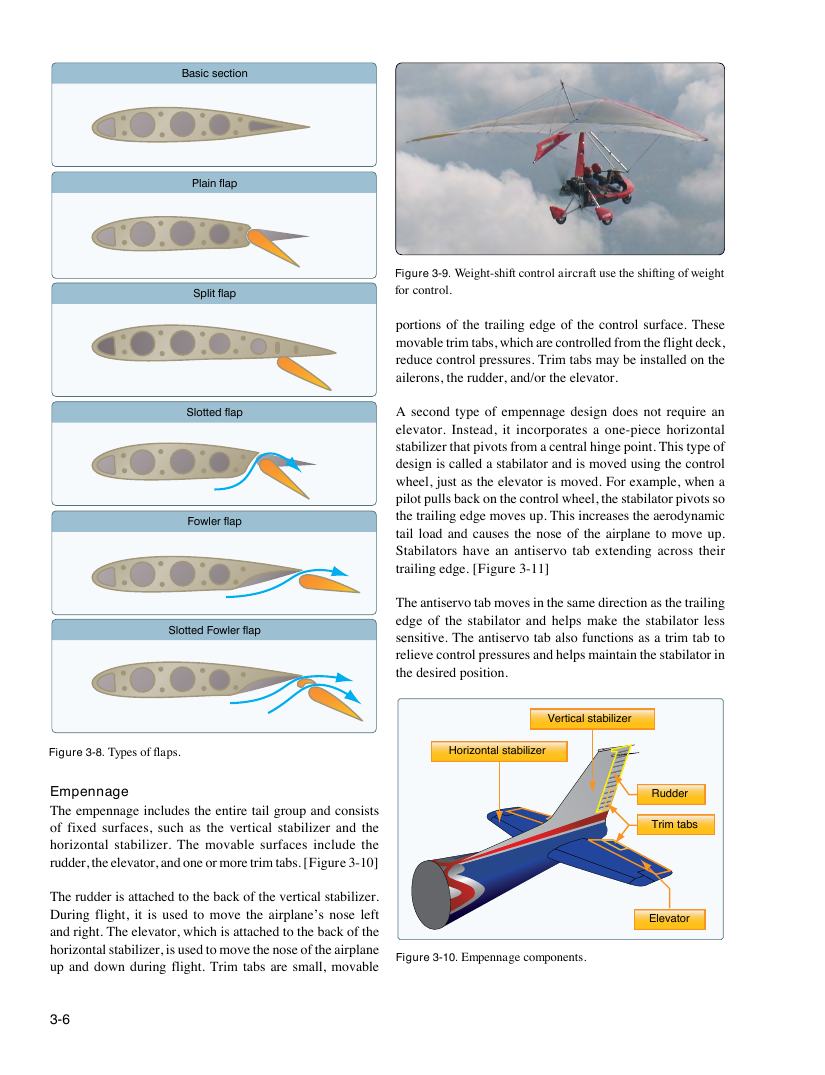
Figure 3-9. Weight-shift control aircraft use the shifting of weight
Split flap for control.
portions of the trailing edge of the control surface. These
movable trim tabs, which are controlled from the flight deck,
reduce control pressures. Trim tabs may be installed on the
ailerons, the rudder, and/or the elevator.
Slotted flap A second type of empennage design does not require an
elevator. Instead, it incorporates a one-piece horizontal
stabilizer that pivots from a central hinge point. This type of
design is called a stabilator and is moved using the control
wheel, just as the elevator is moved. For example, when a
pilot pulls back on the control wheel, the stabilator pivots so
the trailing edge moves up. This increases the aerodynamic
Fowler flap
tail load and causes the nose of the airplane to move up.
Stabilators have an antiservo tab extending across their
trailing edge. [Figure 3-11]
The antiservo tab moves in the same direction as the trailing
edge of the stabilator and helps make the stabilator less
Slotted Fowler flap
sensitive. The antiservo tab also functions as a trim tab to
relieve control pressures and helps maintain the stabilator in
the desired position.
Vertical stabilizer
Figure 3-8. Types of flaps. Horizontal stabilizer
Empennage Rudder
The empennage includes the entire tail group and consists
of fixed surfaces, such as the vertical stabilizer and the Trim tabs
horizontal stabilizer. The movable surfaces include the
rudder, the elevator, and one or more trim tabs. [Figure 3-10]
The rudder is attached to the back of the vertical stabilizer.
During flight, it is used to move the airplane’s nose left
Elevator
and right. The elevator, which is attached to the back of the
horizontal stabilizer, is used to move the nose of the airplane
Figure 3-10. Empennage components.
up and down during flight. Trim tabs are small, movable
3-6