FAA-H-8083-25C · Source PDF page 75
Aircraft Construction
Major Components · PHAK page 3-4
Searchable transcription
Longerons
Struts
Nose-down force Nose-up force
independent of airspeed dependent upon airspeed
Longerons
Bulkhead Stringers
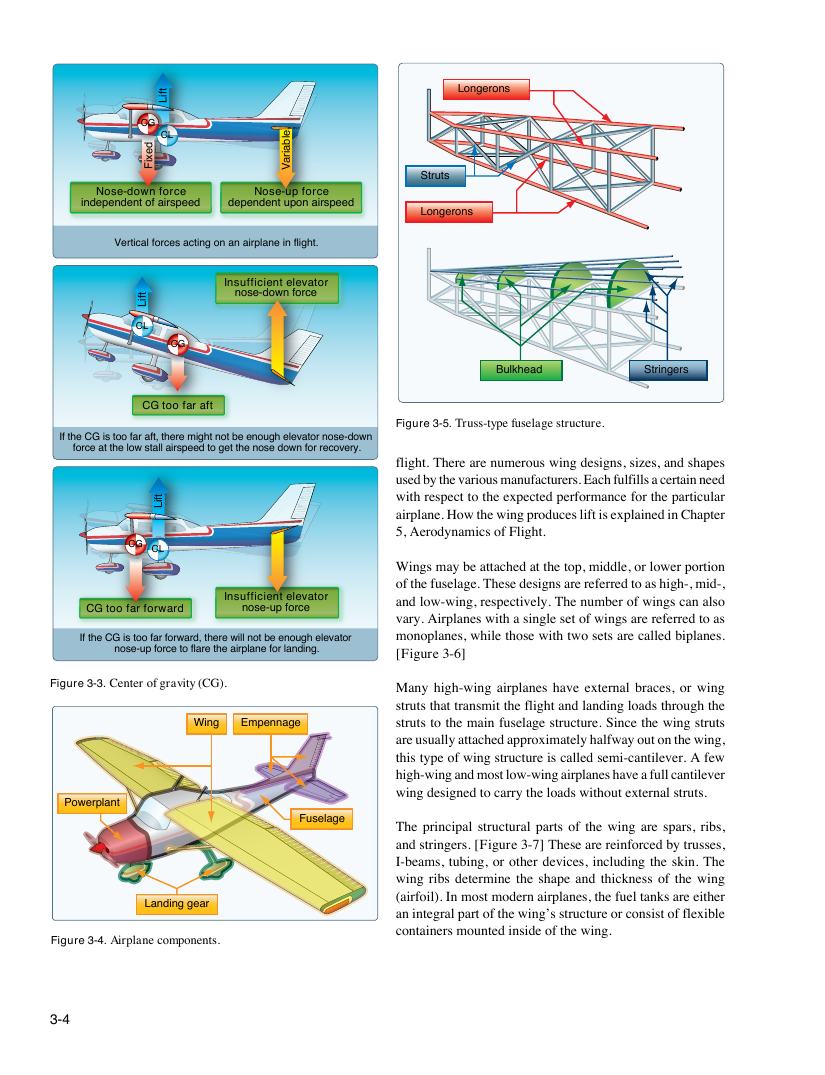
Figure 3-5. Truss-type fuselage structure.
Wing Empennage
Powerplant
Fuselage
Landing gear
Figure 3-4. Airplane components.
3-4
dexiF
elbairaV
CG
CL
Vertical forces acting on an airplane in flight.
tfiL
Insufficient elevator
nose-down force
CG too far aft
If the CG is too far aft, there might not be enough elevator nose-down
force at the low stall airspeed to get the nose down for recovery.
tfiL
CL
CG
CG
Insufficient elevator
CG too far forward nose-up force
If the CG is too far forward, there will not be enough elevator
nose-up force to flare the airplane for landing.
tfiL
flight. There are numerous wing designs, sizes, and shapes
used by the various manufacturers. Each fulfills a certain need
with respect to the expected performance for the particular
airplane. How the wing produces lift is explained in Chapter
5, Aerodynamics of Flight.
CL
Wings may be attached at the top, middle, or lower portion
of the fuselage. These designs are referred to as high-, mid-,
and low-wing, respectively. The number of wings can also
vary. Airplanes with a single set of wings are referred to as
monoplanes, while those with two sets are called biplanes.
[Figure 3-6]
Figure 3-3. Center of gravity (CG). Many high-wing airplanes have external braces, or wing
struts that transmit the flight and landing loads through the
struts to the main fuselage structure. Since the wing struts
are usually attached approximately halfway out on the wing,
this type of wing structure is called semi-cantilever. A few
high-wing and most low-wing airplanes have a full cantilever
wing designed to carry the loads without external struts.
The principal structural parts of the wing are spars, ribs,
and stringers. [Figure 3-7] These are reinforced by trusses,
I-beams, tubing, or other devices, including the skin. The
wing ribs determine the shape and thickness of the wing
(airfoil). In most modern airplanes, the fuel tanks are either
an integral part of the wing’s structure or consist of flexible
containers mounted inside of the wing.