FAA-H-8083-25C · Source PDF page 124
Aerodynamics of Flight
Angle of Attack Indicators · PHAK page 5-27
Searchable transcription
of the airfoil. This can also be referred to as stall margin state of an airplane is the balance between airspeed, altitude,
awareness. More simply explained, it is the margin that exists drag, and thrust and represents how efficiently the airfoil is
between the current AOA that the airfoil is operating at, and operating. The more efficiently the airfoil operates; the larger
the AOA at which the airfoil will stall (critical AOA). stall margin that is present. With this increased situational
awareness pertaining to the energy condition of the airplane,
Angle of attack is taught to student pilots as theory in ground pilots will have information that they need to aid in preventing
training. When beginning flight training, students typically a LOC scenario resulting from a stall/spin. Additionally, the
rely solely on airspeed and the published 1G stall speed to less energy that is utilized to maintain flight means greater
avoid stalls. This creates problems since this speed is only overall efficiency of the airplane, which is typically realized in
valid when the following conditions are met: fuel savings. This equates to a lower operating cost to the pilot.
• Unaccelerated flight (a 1G load factor)
Just as training is required for any system on an aircraft,
• Coordinated flight (inclinometer centered)
AOA indicators have training considerations also. A more
• At one weight (typically maximum gross weight) comprehensive understanding of AOA in general should be
the goal of this training along with the specific operating
Speed by itself is not a reliable parameter to avoid a stall. characteristics and limitations of the installed AOA indicator.
An airplane can stall at any speed. Angle of attack is a better Ground and flight instructors should make every attempt
parameter to use to avoid a stall. For a given configuration, to receive training from an instructor knowledgeable about
the airplane always stalls at the same AOA, referred to as AOA indicators prior to giving instruction pertaining to or in
the critical AOA. This critical AOA does not change with: airplanes equipped with AOA indicators. Pilot schools should
incorporate training on AOA indicators in their syllabi,
• Weight
whether their training aircraft are equipped with them or not.
• Bank angle
• Temperature Installation of AOA indicators not required by type
certification in general aviation airplanes has recently been
• Density altitude
streamlined by the FAA. The FAA established policy in
• Center of gravity February 2014 pertaining to non-required AOA systems and
how they may be installed as a minor alteration, depending
An AOA indicator can have several benefits when installed upon their installation requirements and operational
in general aviation aircraft, not the least of which is increased utilization, and the procedures to take for certification of
situational awareness. Without an AOA indicator, the AOA these installations. For updated information, reference the
is “invisible” to pilots. These devices measure several FAA website at www.faa.gov.
parameters simultaneously and determine the current AOA
providing a visual image to the pilot of the current AOA along While AOA indicators provide a simple visual representation
with representations of the proximity to the critical AOA. of the current AOA and its proximity to the critical AOA, they
[Figure 5-42] These devices can give a visual representation are not without their limitations. These limitations should
of the energy management state of the airplane. The energy be understood by operators of general aviation airplanes
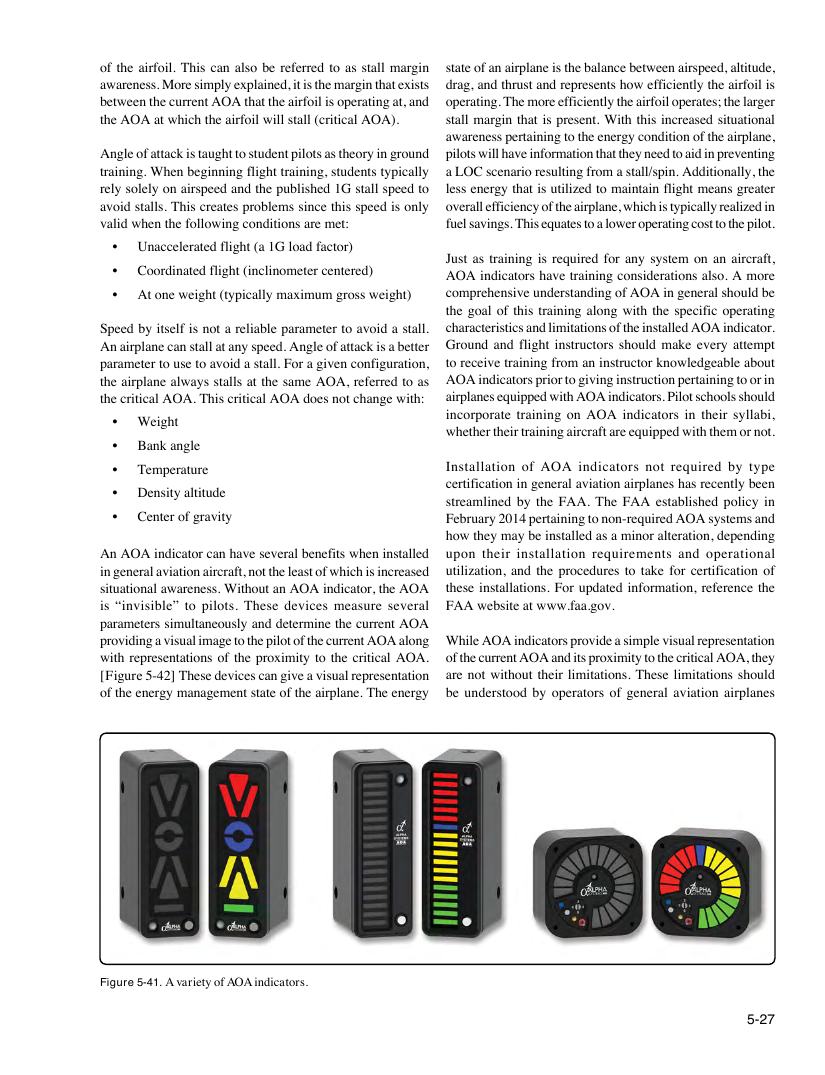
Figure 5-41. A variety of AOA indicators.
5-27