FAA-H-8083-25C · Source PDF page 195
Aircraft Systems
Pressurized Aircraft · PHAK page 7-35
Searchable transcription
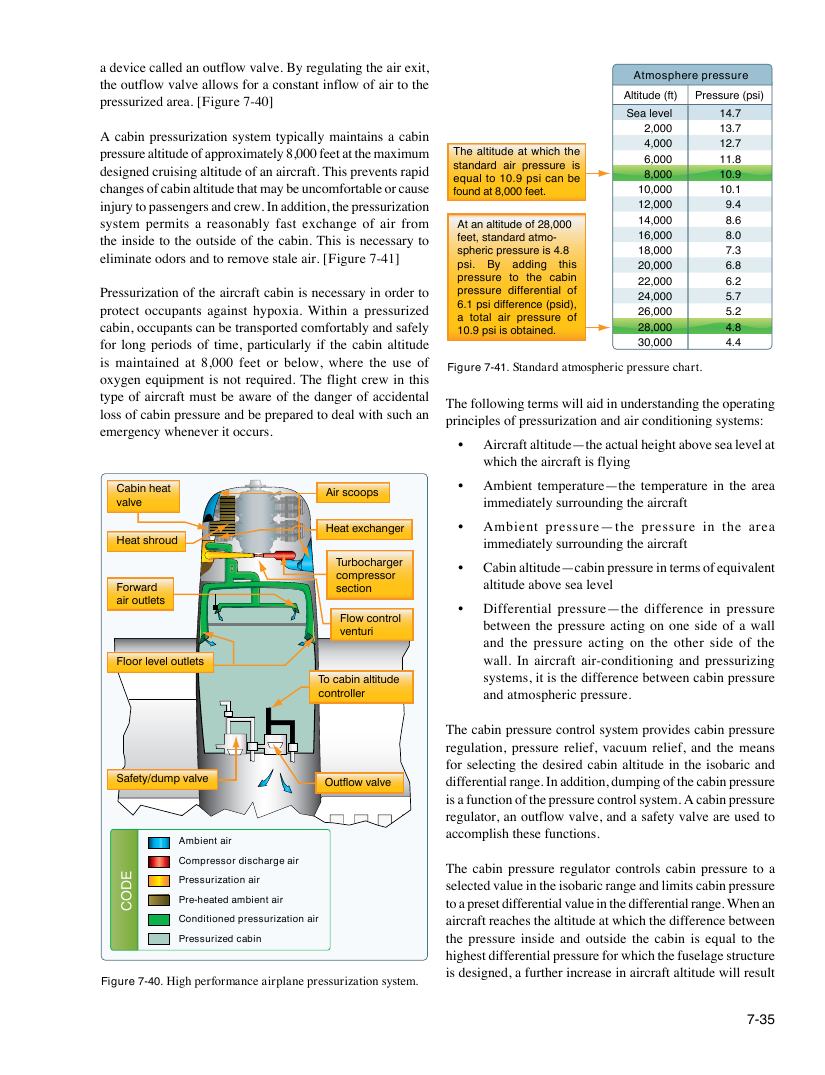
Figure 7-40. High performance airplane pressurization system.
7-35
EDOC
a device called an outflow valve. By regulating the air exit,
Atmosphere pressure
the outflow valve allows for a constant inflow of air to the
Altitude (ft) Pressure (psi)
pressurized area. [Figure 7-40]
Sea level 14.7
2,000 13.7
A cabin pressurization system typically maintains a cabin
4,000 12.7
pressure altitude of approximately 8,000 feet at the maximum The altitude at which the
6,000 11.8
standard air pressure is
designed cruising altitude of an aircraft. This prevents rapid
8,000 10.9
equal to 10.9 psi can be
changes of cabin altitude that may be uncomfortable or cause found at 8,000 feet. 10,000 10.1
injury to passengers and crew. In addition, the pressurization 12,000 9.4
system permits a reasonably fast exchange of air from At an altitude of 28,000 14,000 8.6
the inside to the outside of the cabin. This is necessary to feet, standard atmo- 16,000 8.0
spheric pressure is 4.8 18,000 7.3
eliminate odors and to remove stale air. [Figure 7-41]
psi. By adding this 20,000 6.8
pressure to the cabin 22,000 6.2
Pressurization of the aircraft cabin is necessary in order to pressure differential of
24,000 5.7
6.1 psi difference (psid),
protect occupants against hypoxia. Within a pressurized 26,000 5.2
a total air pressure of
cabin, occupants can be transported comfortably and safely 10.9 psi is obtained. 28,000 4.8
for long periods of time, particularly if the cabin altitude 30,000 4.4
is maintained at 8,000 feet or below, where the use of
Figure 7-41. Standard atmospheric pressure chart.
oxygen equipment is not required. The flight crew in this
type of aircraft must be aware of the danger of accidental
The following terms will aid in understanding the operating
loss of cabin pressure and be prepared to deal with such an
principles of pressurization and air conditioning systems:
emergency whenever it occurs.
• Aircraft altitude—the actual height above sea level at
which the aircraft is flying
• Ambient temperature—the temperature in the area
Cabin heat Air scoops
valve immediately surrounding the aircraft
Heat exchanger • Ambient pressure—the pressure in the area
Heat shroud immediately surrounding the aircraft
Turbocharger • Cabin altitude—cabin pressure in terms of equivalent
compressor
Forward section altitude above sea level
air outlets
• Differential pressure—the difference in pressure
Flow control
between the pressure acting on one side of a wall
venturi
and the pressure acting on the other side of the
Floor level outlets wall. In aircraft air-conditioning and pressurizing
To cabin altitude systems, it is the difference between cabin pressure
controller and atmospheric pressure.
The cabin pressure control system provides cabin pressure
regulation, pressure relief, vacuum relief, and the means
for selecting the desired cabin altitude in the isobaric and
Safety/dump valve Outflow valve differential range. In addition, dumping of the cabin pressure
is a function of the pressure control system. A cabin pressure
regulator, an outflow valve, and a safety valve are used to
accomplish these functions.
Ambient air
Compressor discharge air
The cabin pressure regulator controls cabin pressure to a
Pressurization air selected value in the isobaric range and limits cabin pressure
Pre-heated ambient air to a preset differential value in the differential range. When an
Conditioned pressurization air aircraft reaches the altitude at which the difference between
Pressurized cabin the pressure inside and outside the cabin is equal to the
highest differential pressure for which the fuselage structure
is designed, a further increase in aircraft altitude will result