FAA-H-8083-25C · Source PDF page 193
Aircraft Systems
Tricycle Landing Gear · PHAK page 7-33
Searchable transcription
0
-30 +30
0 30 60
- 60 + 60 ALT AMPS
A M P
Ammeter Loadmeter
Figure 7-35. Ammeter and loadmeter.
BOTH
Pump
Figure 7-36. Basic hydraulic system.
7-33
TFEL RIGHT
OFF
System relief valve
Selector valve Double acting cylinder
noitoM
for the system in the event of excessive fluid pressure in the
system. Each system incorporates different components to
meet the individual needs of different aircraft.
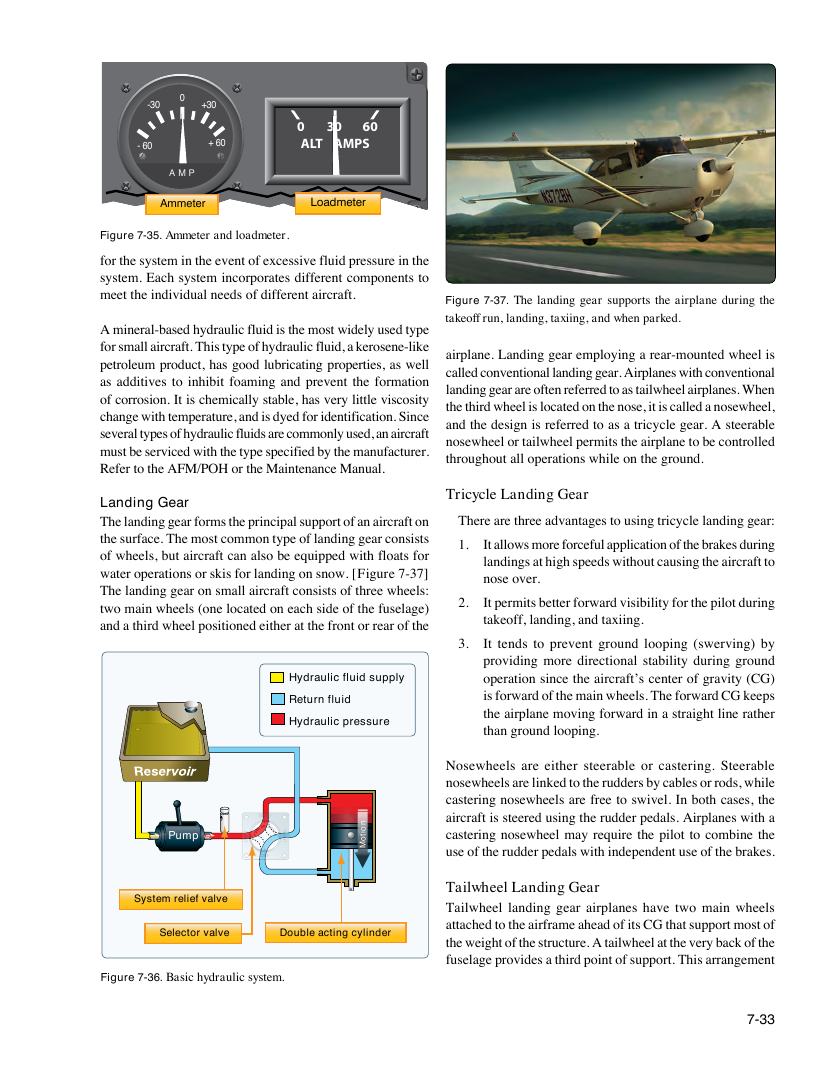
Figure 7-37. The landing gear supports the airplane during the
takeoff run, landing, taxiing, and when parked.
A mineral-based hydraulic fluid is the most widely used type
for small aircraft. This type of hydraulic fluid, a kerosene-like
airplane. Landing gear employing a rear-mounted wheel is
petroleum product, has good lubricating properties, as well
called conventional landing gear. Airplanes with conventional
as additives to inhibit foaming and prevent the formation
landing gear are often referred to as tailwheel airplanes. When
of corrosion. It is chemically stable, has very little viscosity
the third wheel is located on the nose, it is called a nosewheel,
change with temperature, and is dyed for identification. Since
and the design is referred to as a tricycle gear. A steerable
several types of hydraulic fluids are commonly used, an aircraft
nosewheel or tailwheel permits the airplane to be controlled
must be serviced with the type specified by the manufacturer.
throughout all operations while on the ground.
Refer to the AFM/POH or the Maintenance Manual.
Tricycle Landing Gear
Landing Gear
The landing gear forms the principal support of an aircraft on There are three advantages to using tricycle landing gear:
the surface. The most common type of landing gear consists
1. It allows more forceful application of the brakes during
of wheels, but aircraft can also be equipped with floats for
landings at high speeds without causing the aircraft to
water operations or skis for landing on snow. [Figure 7-37]
nose over.
The landing gear on small aircraft consists of three wheels:
2. It permits better forward visibility for the pilot during
two main wheels (one located on each side of the fuselage)
takeoff, landing, and taxiing.
and a third wheel positioned either at the front or rear of the
3. It tends to prevent ground looping (swerving) by
providing more directional stability during ground
Hydraulic fluid supply operation since the aircraft’s center of gravity (CG)
is forward of the main wheels. The forward CG keeps
Return fluid
the airplane moving forward in a straight line rather
Hydraulic pressure
than ground looping.
Nosewheels are either steerable or castering. Steerable
nosewheels are linked to the rudders by cables or rods, while
castering nosewheels are free to swivel. In both cases, the
aircraft is steered using the rudder pedals. Airplanes with a
castering nosewheel may require the pilot to combine the
use of the rudder pedals with independent use of the brakes.
Tailwheel Landing Gear
Tailwheel landing gear airplanes have two main wheels
attached to the airframe ahead of its CG that support most of
the weight of the structure. A tailwheel at the very back of the
fuselage provides a third point of support. This arrangement