FAA-H-8083-25C · Source PDF page 206
Flight Instruments
Effect of Nonstandard Pressure and Temperature · PHAK page 8-4
Searchable transcription
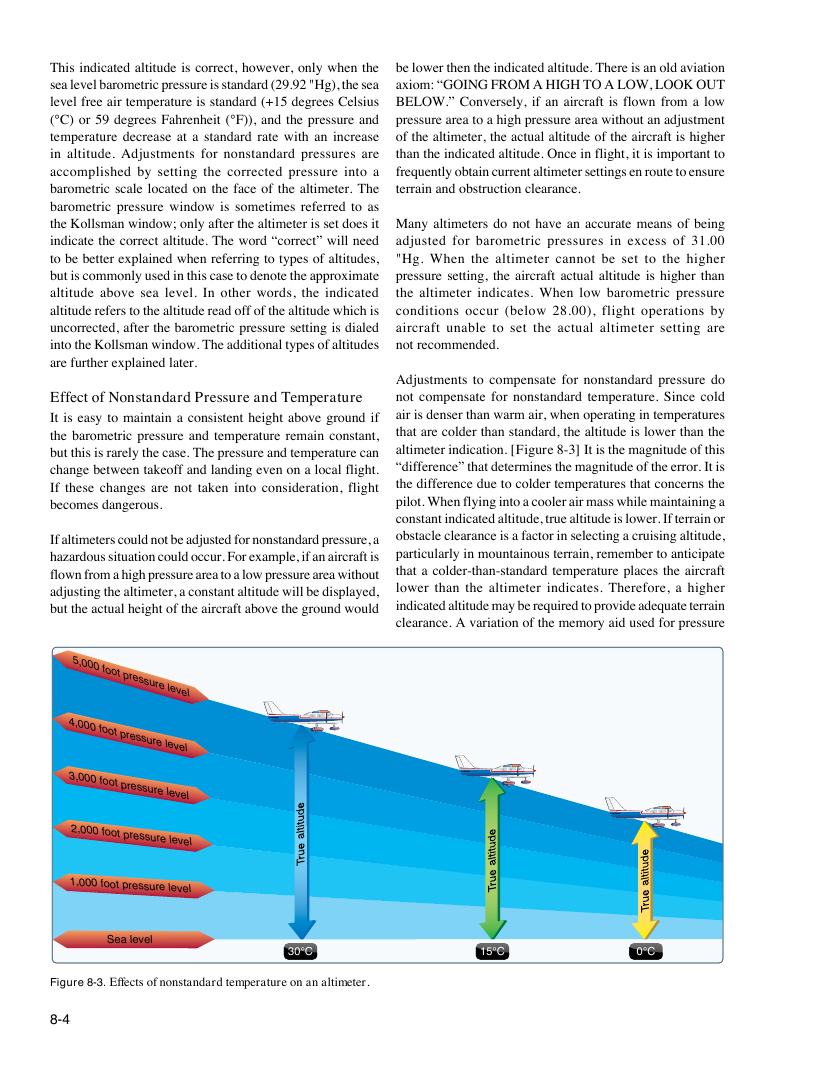
Figure 8-3. Effects of nonstandard temperature on an altimeter.
8-4
5 , 0 0 0 f o o t p
4 , 0 0 0 f o o t p
3 , 0 0 0 f o o t p
2 , 0 0 0 f o o t p
1 , 0 0 0 f o o t p
S e a
r e s s u r e le v e l
r e s s u r e le v e l
r e s s u r e le v e l
r e s s u r e le v e l
r e s s u r e le v e l
le v e l
This indicated altitude is correct, however, only when the be lower then the indicated altitude. There is an old aviation
sea level barometric pressure is standard (29.92 "Hg), the sea axiom: “GOING FROM A HIGH TO A LOW, LOOK OUT
level free air temperature is standard (+15 degrees Celsius BELOW.” Conversely, if an aircraft is flown from a low
(°C) or 59 degrees Fahrenheit (°F)), and the pressure and pressure area to a high pressure area without an adjustment
temperature decrease at a standard rate with an increase of the altimeter, the actual altitude of the aircraft is higher
in altitude. Adjustments for nonstandard pressures are than the indicated altitude. Once in flight, it is important to
accomplished by setting the corrected pressure into a frequently obtain current altimeter settings en route to ensure
barometric scale located on the face of the altimeter. The terrain and obstruction clearance.
barometric pressure window is sometimes referred to as
the Kollsman window; only after the altimeter is set does it Many altimeters do not have an accurate means of being
indicate the correct altitude. The word “correct” will need adjusted for barometric pressures in excess of 31.00
to be better explained when referring to types of altitudes, "Hg. When the altimeter cannot be set to the higher
but is commonly used in this case to denote the approximate pressure setting, the aircraft actual altitude is higher than
altitude above sea level. In other words, the indicated the altimeter indicates. When low barometric pressure
altitude refers to the altitude read off of the altitude which is conditions occur (below 28.00), flight operations by
uncorrected, after the barometric pressure setting is dialed aircraft unable to set the actual altimeter setting are
into the Kollsman window. The additional types of altitudes not recommended.
are further explained later.
Adjustments to compensate for nonstandard pressure do
Effect of Nonstandard Pressure and Temperature not compensate for nonstandard temperature. Since cold
It is easy to maintain a consistent height above ground if air is denser than warm air, when operating in temperatures
the barometric pressure and temperature remain constant, that are colder than standard, the altitude is lower than the
but this is rarely the case. The pressure and temperature can altimeter indication. [Figure 8-3] It is the magnitude of this
change between takeoff and landing even on a local flight. “difference” that determines the magnitude of the error. It is
If these changes are not taken into consideration, flight the difference due to colder temperatures that concerns the
becomes dangerous. pilot. When flying into a cooler air mass while maintaining a
constant indicated altitude, true altitude is lower. If terrain or
If altimeters could not be adjusted for nonstandard pressure, a obstacle clearance is a factor in selecting a cruising altitude,
hazardous situation could occur. For example, if an aircraft is particularly in mountainous terrain, remember to anticipate
flown from a high pressure area to a low pressure area without that a colder-than-standard temperature places the aircraft
adjusting the altimeter, a constant altitude will be displayed, lower than the altimeter indicates. Therefore, a higher
but the actual height of the aircraft above the ground would indicated altitude may be required to provide adequate terrain
clearance. A variation of the memory aid used for pressure
30°C 15°C 0°C