FAA-H-8083-25C · Source PDF page 210
Flight Instruments
Instrument Check · PHAK page 8-8
Searchable transcription
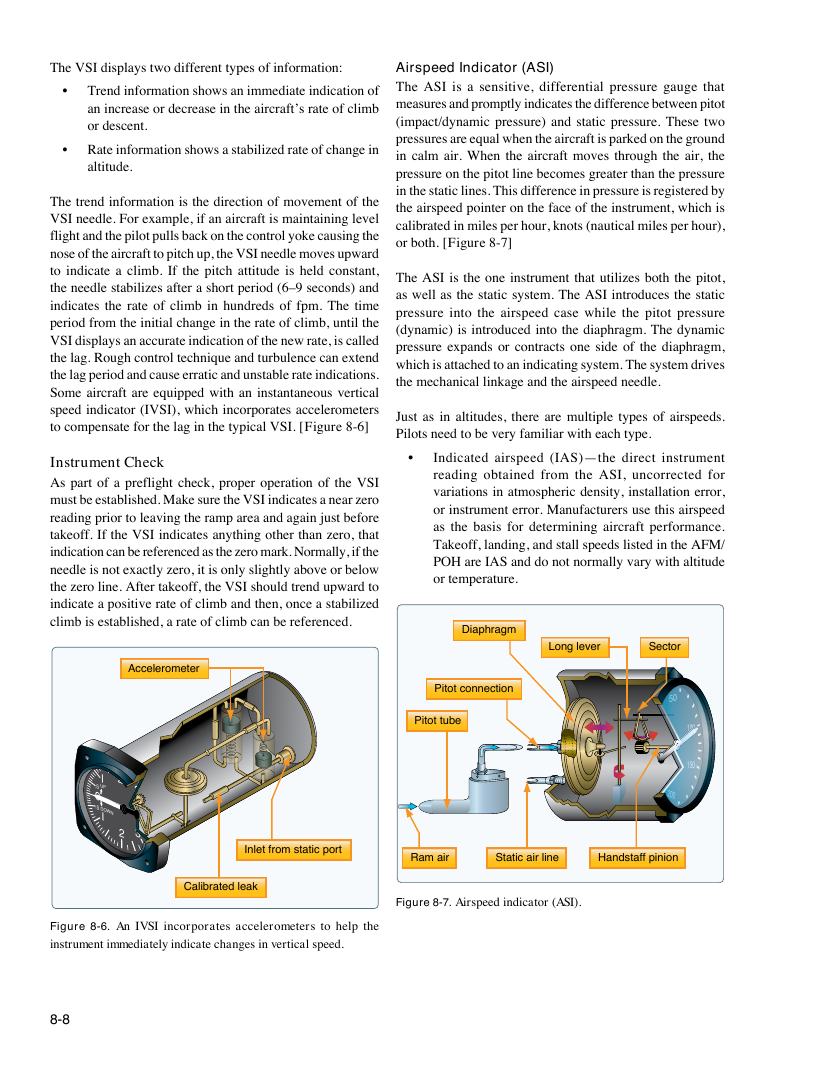
Figure 8-6. An IVSI incorporates accelerometers to help the
instrument immediately indicate changes in vertical speed.
8-8
.50.5
IU
P
D OI W N
2
2
3
3
4
The VSI displays two different types of information: Airspeed Indicator (ASI)
The ASI is a sensitive, differential pressure gauge that
• Trend information shows an immediate indication of
measures and promptly indicates the difference between pitot
an increase or decrease in the aircraft’s rate of climb
(impact/dynamic pressure) and static pressure. These two
or descent.
pressures are equal when the aircraft is parked on the ground
• Rate information shows a stabilized rate of change in
in calm air. When the aircraft moves through the air, the
altitude.
pressure on the pitot line becomes greater than the pressure
in the static lines. This difference in pressure is registered by
The trend information is the direction of movement of the
the airspeed pointer on the face of the instrument, which is
VSI needle. For example, if an aircraft is maintaining level
calibrated in miles per hour, knots (nautical miles per hour),
flight and the pilot pulls back on the control yoke causing the
or both. [Figure 8-7]
nose of the aircraft to pitch up, the VSI needle moves upward
to indicate a climb. If the pitch attitude is held constant,
The ASI is the one instrument that utilizes both the pitot,
the needle stabilizes after a short period (6–9 seconds) and
as well as the static system. The ASI introduces the static
indicates the rate of climb in hundreds of fpm. The time
pressure into the airspeed case while the pitot pressure
period from the initial change in the rate of climb, until the
(dynamic) is introduced into the diaphragm. The dynamic
VSI displays an accurate indication of the new rate, is called
pressure expands or contracts one side of the diaphragm,
the lag. Rough control technique and turbulence can extend
which is attached to an indicating system. The system drives
the lag period and cause erratic and unstable rate indications.
the mechanical linkage and the airspeed needle.
Some aircraft are equipped with an instantaneous vertical
speed indicator (IVSI), which incorporates accelerometers
Just as in altitudes, there are multiple types of airspeeds.
to compensate for the lag in the typical VSI. [Figure 8-6]
Pilots need to be very familiar with each type.
• Indicated airspeed (IAS)—the direct instrument
Instrument Check
reading obtained from the ASI, uncorrected for
As part of a preflight check, proper operation of the VSI
variations in atmospheric density, installation error,
must be established. Make sure the VSI indicates a near zero
or instrument error. Manufacturers use this airspeed
reading prior to leaving the ramp area and again just before
as the basis for determining aircraft performance.
takeoff. If the VSI indicates anything other than zero, that
Takeoff, landing, and stall speeds listed in the AFM/
indication can be referenced as the zero mark. Normally, if the
POH are IAS and do not normally vary with altitude
needle is not exactly zero, it is only slightly above or below
or temperature.
the zero line. After takeoff, the VSI should trend upward to
indicate a positive rate of climb and then, once a stabilized
climb is established, a rate of climb can be referenced.
Diaphragm
Long lever Sector
Accelerometer
Pitot connection
50
Pitot tube
100
150
200
Inlet from static port
Ram air Static air line Handstaff pinion
Calibrated leak
Figure 8-7. Airspeed indicator (ASI).