FAA-H-8083-25C · Source PDF page 286
Weather Theory
Atmosphere · PHAK page 12-2
Searchable transcription
22
77
11
88
%%
%%
nn
ee
gg
oo
NNii tt rr
OO xx yy gg ee nn
Atmosphere
The atmosphere is a blanket of air made up of a mixture of
1%
gases that surrounds the Earth and reaches almost 350 miles
from the surface of the Earth. This mixture is in constant
motion. If the atmosphere were visible, it might look like
an ocean with swirls and eddies, rising and falling air, and
waves that travel for great distances.
Life on Earth is supported by the atmosphere, solar energy,
and the planet’s magnetic fields. The atmosphere absorbs
energy from the sun, recycles water and other chemicals, and
works with the electrical and magnetic forces to provide a
moderate climate. The atmosphere also protects life on Earth
from high energy radiation and the frigid vacuum of space.
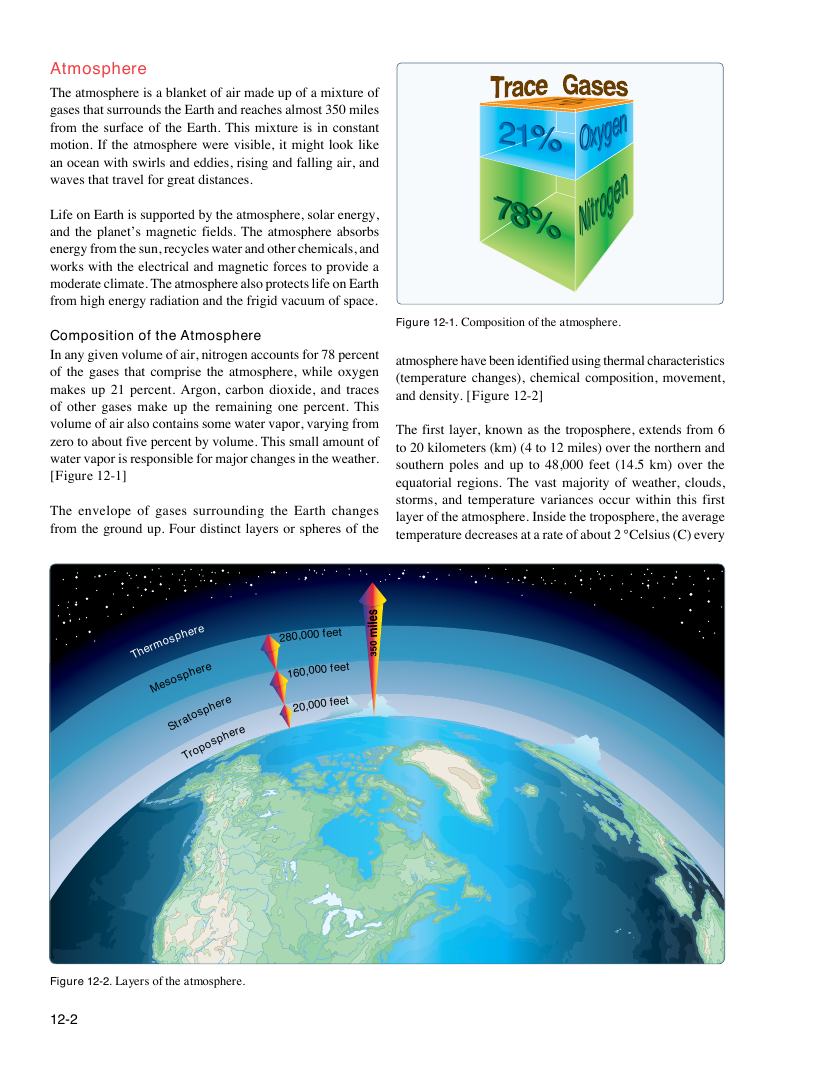
Figure 12-1. Composition of the atmosphere.
Composition of the Atmosphere
In any given volume of air, nitrogen accounts for 78 percent
atmosphere have been identified using thermal characteristics
of the gases that comprise the atmosphere, while oxygen
(temperature changes), chemical composition, movement,
makes up 21 percent. Argon, carbon dioxide, and traces
and density. [Figure 12-2]
of other gases make up the remaining one percent. This
volume of air also contains some water vapor, varying from
The first layer, known as the troposphere, extends from 6
zero to about five percent by volume. This small amount of
to 20 kilometers (km) (4 to 12 miles) over the northern and
water vapor is responsible for major changes in the weather.
southern poles and up to 48,000 feet (14.5 km) over the
[Figure 12-1]
equatorial regions. The vast majority of weather, clouds,
storms, and temperature variances occur within this first
The envelope of gases surrounding the Earth changes
layer of the atmosphere. Inside the troposphere, the average
from the ground up. Four distinct layers or spheres of the
temperature decreases at a rate of about 2 °Celsius (C) every
Thermosphere 280,000 feet
Mesosphere 160,000 feet
Stra
T
t
r
o
o
s
p
p
o
h
s
e
p
r
h
e
ere
20,000 feet
Figure 12-2. Layers of the atmosphere.