FAA-H-8083-25C · Source PDF page 357
Airport Operations
Radio Communications · PHAK page 14-23
Searchable transcription
LEGEND
Standard left-hand
traffic pattern (depicted)
Right-hand traffic
pattern (depicted)
Final Departure
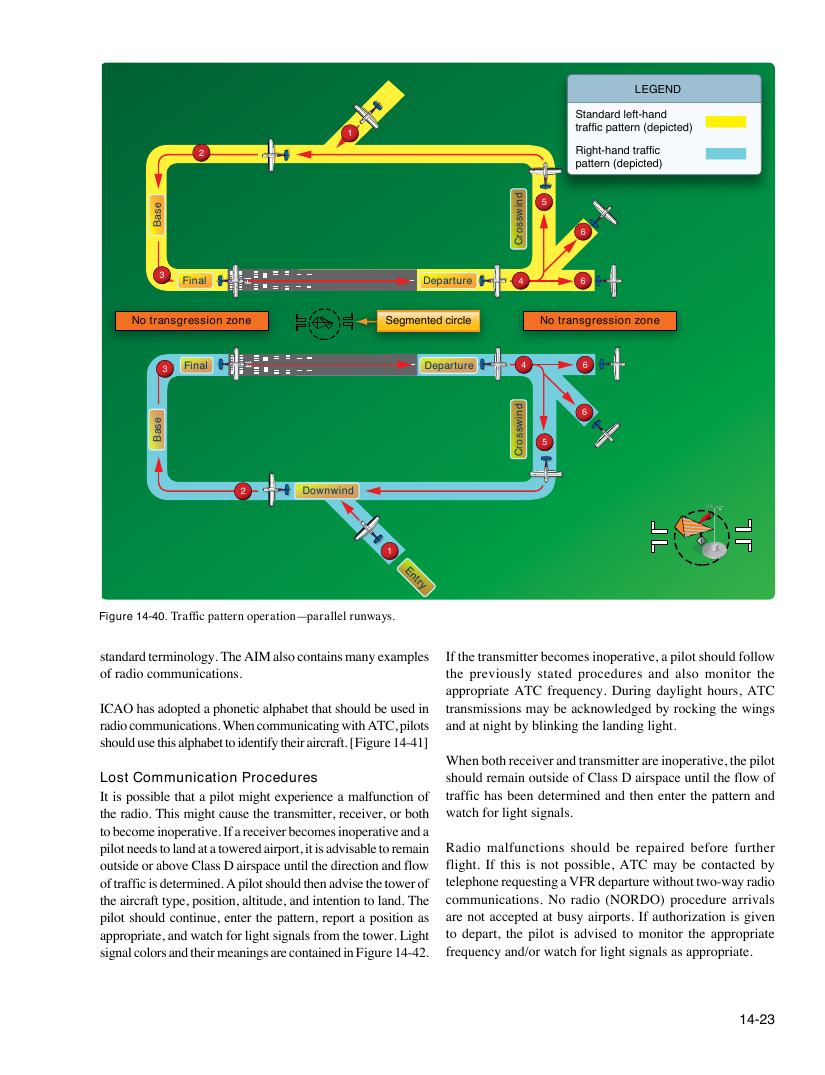
Figure 14-40. Traffic pattern operation—parallel runways.
14-23
esaB
dniwssorC
Final Departure
esaB
dniwssorC
1
2
5
6
3
4 6
No transgression zone Segmented circle No transgression zone
3 4 6
6
5
2 Downwind
1
E
n
try
standard terminology. The AIM also contains many examples If the transmitter becomes inoperative, a pilot should follow
of radio communications. the previously stated procedures and also monitor the
appropriate ATC frequency. During daylight hours, ATC
ICAO has adopted a phonetic alphabet that should be used in transmissions may be acknowledged by rocking the wings
radio communications. When communicating with ATC, pilots and at night by blinking the landing light.
should use this alphabet to identify their aircraft. [Figure 14-41]
When both receiver and transmitter are inoperative, the pilot
Lost Communication Procedures should remain outside of Class D airspace until the flow of
It is possible that a pilot might experience a malfunction of traffic has been determined and then enter the pattern and
the radio. This might cause the transmitter, receiver, or both watch for light signals.
to become inoperative. If a receiver becomes inoperative and a
pilot needs to land at a towered airport, it is advisable to remain Radio malfunctions should be repaired before further
outside or above Class D airspace until the direction and flow flight. If this is not possible, ATC may be contacted by
of traffic is determined. A pilot should then advise the tower of telephone requesting a VFR departure without two-way radio
the aircraft type, position, altitude, and intention to land. The communications. No radio (NORDO) procedure arrivals
pilot should continue, enter the pattern, report a position as are not accepted at busy airports. If authorization is given
appropriate, and watch for light signals from the tower. Light to depart, the pilot is advised to monitor the appropriate
signal colors and their meanings are contained in Figure 14-42. frequency and/or watch for light signals as appropriate.